Soil Testing for Grass
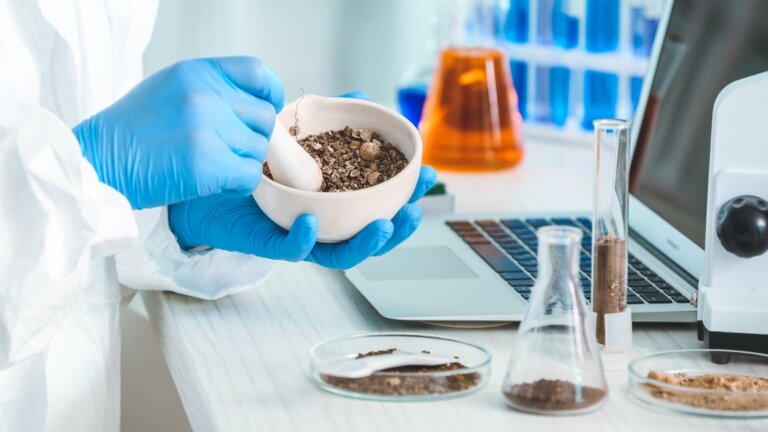
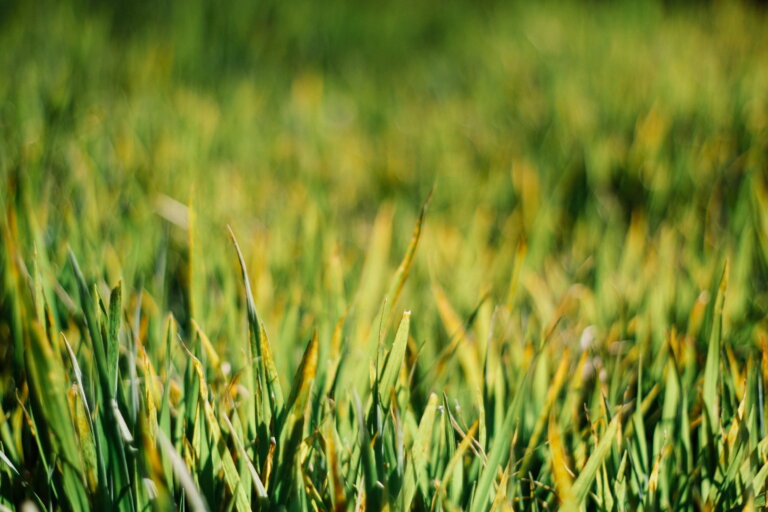
Most lawn problems don’t start with the fertilizer bag. They start in the soil. Yellowing turf, thin growth, and patches that never fill in often
Home Blog

Most lawn problems don’t start with the fertilizer bag. They start in the soil. Yellowing turf, thin growth, and patches that never fill in often

When homeowners look up nutrient deficiencies in plants, they’re usually staring at a lawn that doesn’t look right. The grass may be turning pale green,

Lawn grub control requires precision, not guesswork. In Pennsylvania, New Jersey, and Delaware, grub damage follows predictable patterns tied to soil temperature, beetle activity, and

Quick Reference Guide Need a specific schedule for your yard? Balancing soil conditions, lawn age, and family foot traffic can be tricky. Instead of guessing,

If you’ve noticed thin, bright green shoots that smell like onion or garlic when crushed, you’re dealing with onion grass. For homeowners across Pennsylvania, New

The ideal pH for grass is 6.0 to 7.0. Most lawns grow best within this slightly acidic to neutral range because it allows grass roots

Pennsylvania lawns deal with dense clay soil, heavy seasonal rainfall, and frequent foot traffic. Knowing how to aerate lawn conditions specific to PA can make

Looking to transform your Pennsylvania lawn into a lush, green paradise? Grass fertilizer 20‑10‑10 provides the ideal balance of nitrogen, phosphorus, and potassium to promote

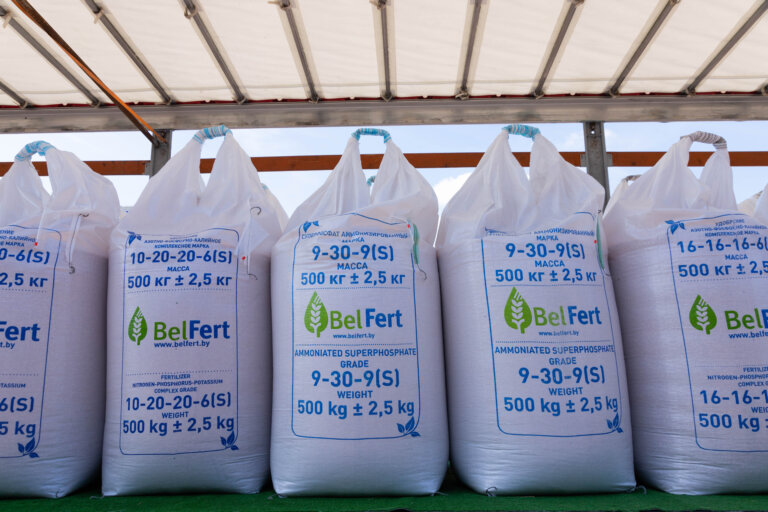
Ever wondered what those three bold numbers on a fertilizer bag really mean? In Pennsylvania, understanding fertilizer numbers is the secret to turning patchy grass

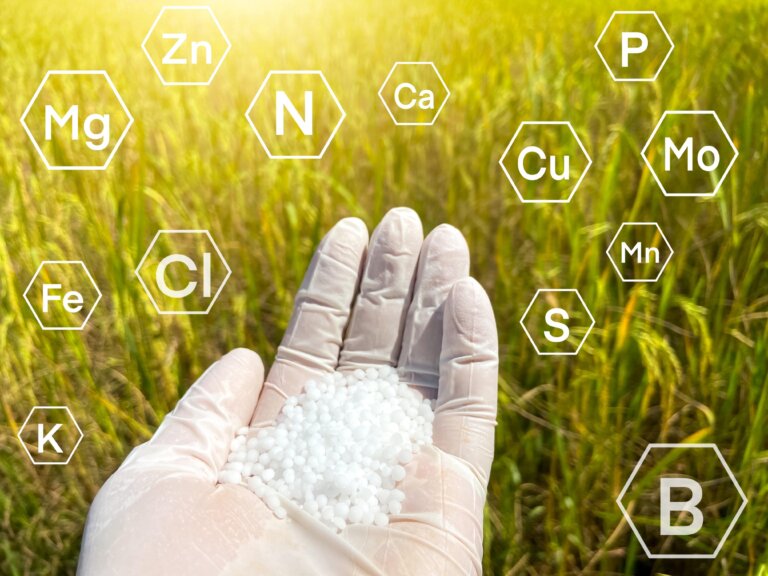
A lush, resilient lawn starts with the right balance of nutrients. Discover how nitrogen, phosphorus, and potassium work together to keep your Pennsylvania turf healthy,

Want a greener, healthier lawn fast? Liquid lawn fertilizer delivers nutrients directly to your grass and soil—helping roots strengthen, color deepen, and growth take off

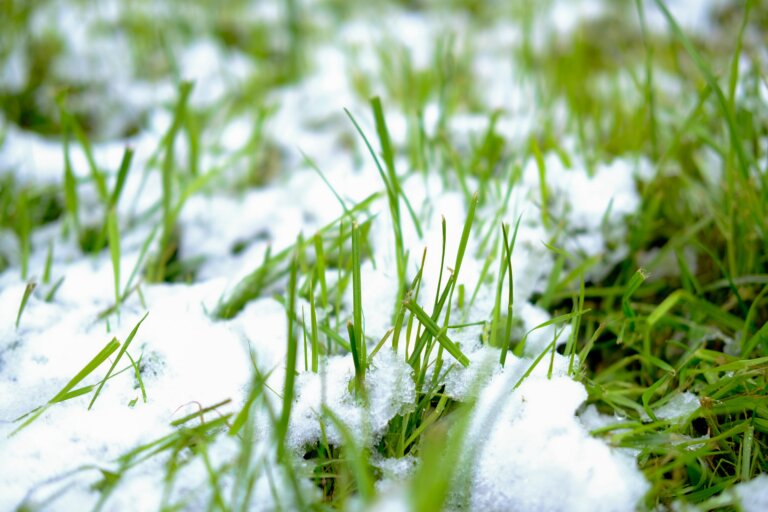
Most homeowners know lawn watering is essential, but in the winter months, the real question is: When is it too cold to water? The University

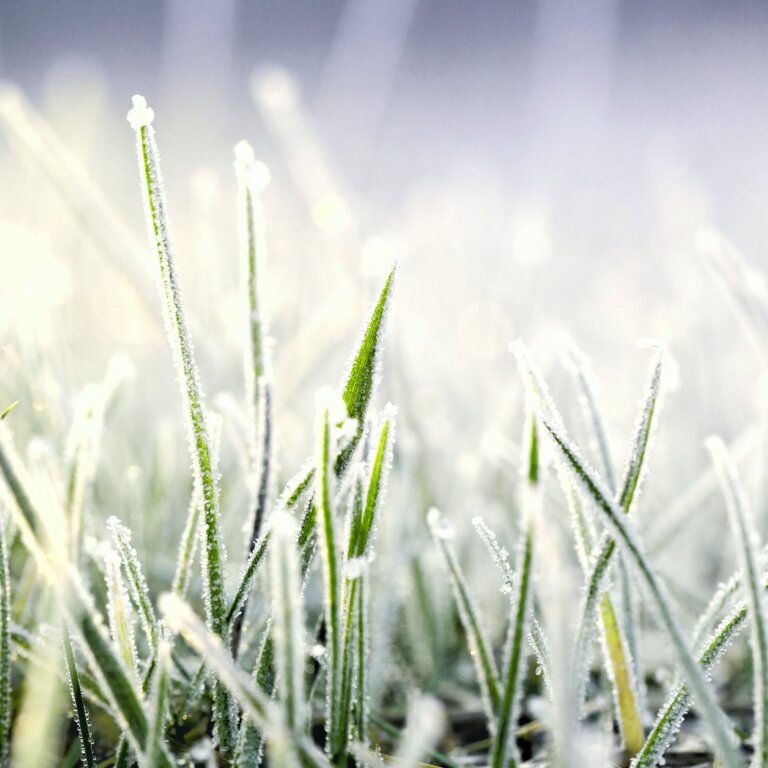
According to Penn State Extension, grass growth essentially stops once soil temperatures fall consistently below 50°F (10°C), a point most northern U.S. regions hit in

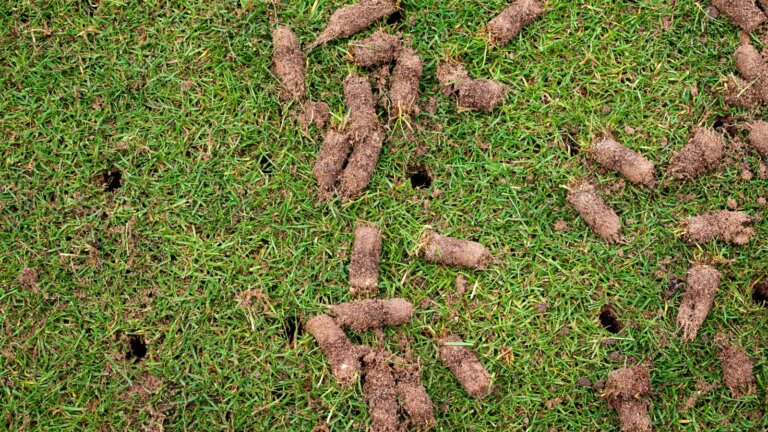
Yes — fall is the best time to aerate your lawn, especially if you have cool-season grasses like Kentucky bluegrass, fescue, or ryegrass. Cooler soil

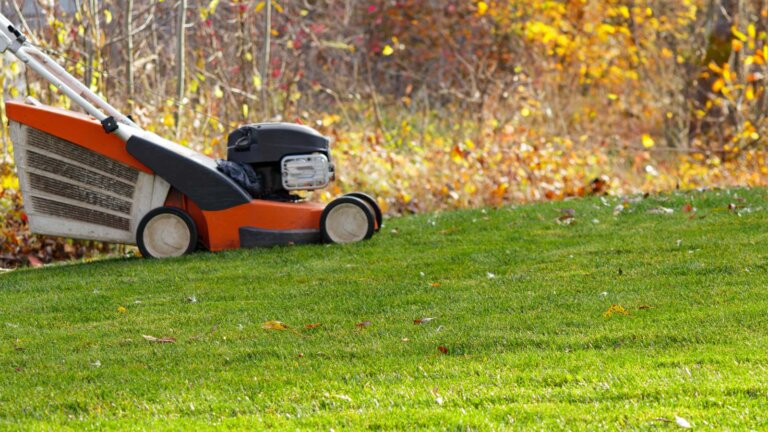
Quick AnswerFor most cool-season grasses like Kentucky bluegrass, stop mowing when daytime highs consistently stay below 50°F, which often happens in late October or early

Many Pennsylvania homeowners feel like weeds take over their lawns every season, but fall offers the best chance to fight back. Unlike spring, when weeds

Fall in Pennsylvania isn’t just about colorful leaves, it’s one of the best times to plant. Cooler air and warm soil give flowers, grasses, and

Short Answer:To reseed your lawn in fall, mow the existing grass short, remove debris, and loosen the top layer of soil. Spread cool-season grass seed

For cool-season grasses like Kentucky bluegrass, tall fescue, and perennial ryegrass, apply fall lawn fertilizer twice:• Early fall – Around Labor Day (late August to

Spreading grass seed effectively is crucial for establishing a vibrant, thriving lawn. This article walks you through the entire process of how to spread grass