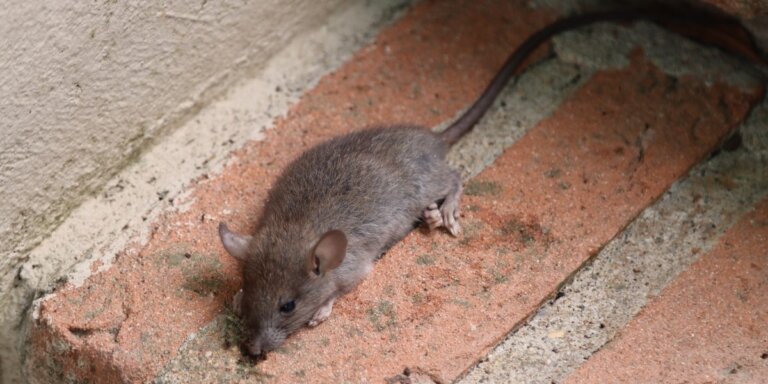
Pre-Winter Pest Control: How to Keep Rodents Out of Your House This Fall
How to keep rodents out of your house starts at the property line, and it has to start before the first hard freeze in southeastern

How to keep rodents out of your house starts at the property line, and it has to start before the first hard freeze in southeastern
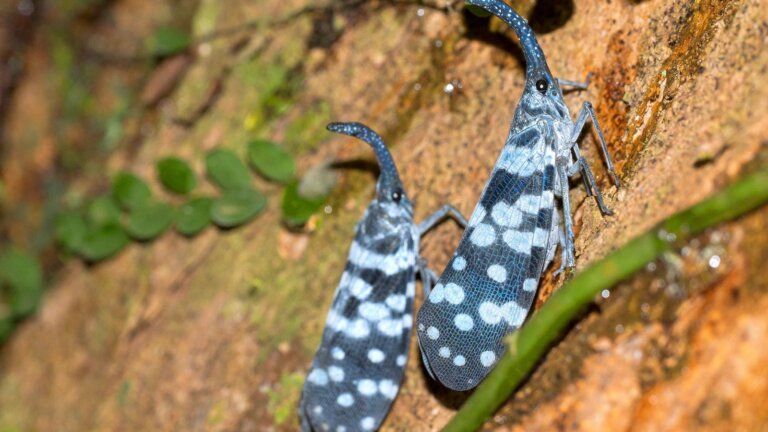
Spotted lanternfly damage to trees comes down to stress and a sticky mess. A healthy, established hardwood rarely dies from lanternfly feeding. Black mold and

Sod buys you what’s basically an instant lawn: a finished, green lawn in a day, at a higher price and with fewer grass types to
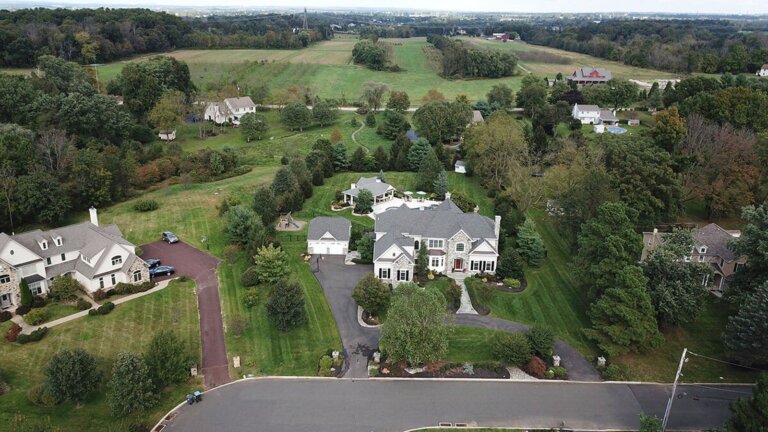
Mature trees and foundation shrubs across Collegeville and its surrounding communities in Montgomery, Chester, Bucks, and Delaware counties have real work to do this fall,
Mosquito activity fades, but it doesn’t cut off Mosquito season doesn’t end on a fixed date. The timing varies with local climate more than with

It’s late March in Collegeville. Forsythia is blooming. Last year’s mulch looks faded and matted, and your neighbor’s beds look finished while yours do not.
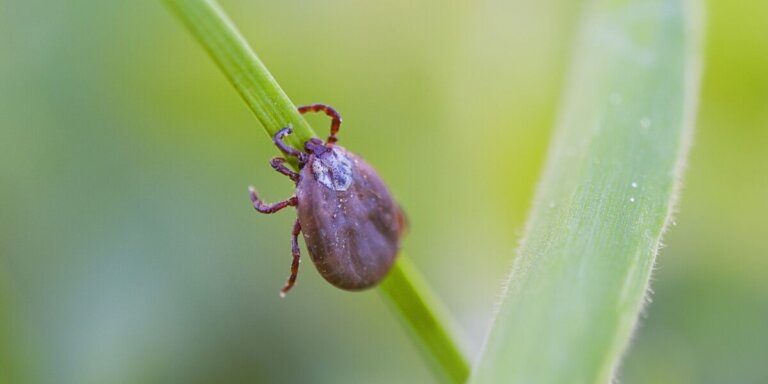
By Scott, Certified Pesticide Applicator, Terra Lawn Care, Collegeville, PALast updated: August 19, 2026 A neighbor in Trappe found a tick on her son thirty
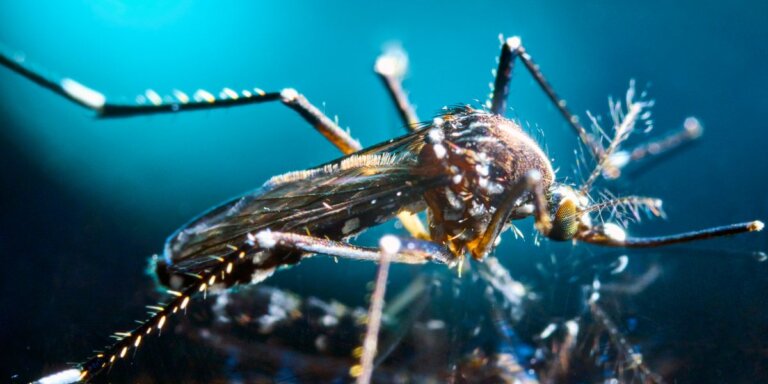
Byline: Reviewed by Bryan, Terra Lawn Care’s Turf Care Specialist Your backyard has probably been sitting unused since the humidity set in. Maybe you’ve tried
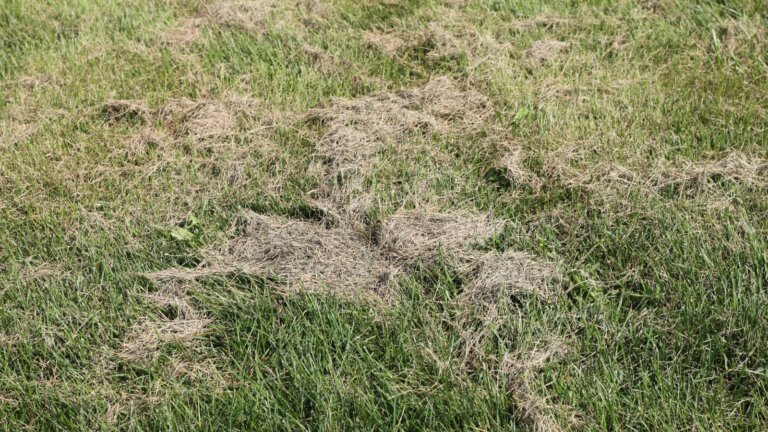
You walked outside on a July morning and found it: a rough circle of dead, tan grass replacing what was a dark green lawn two
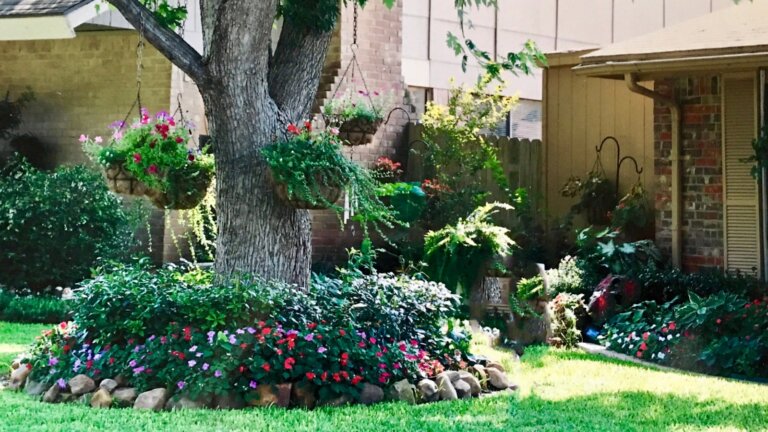
If you own a home in Montgomery, Chester, or Bucks County, your mature structural plantings are a major financial investment. Planting dogwoods, boxwoods, and arborvitae
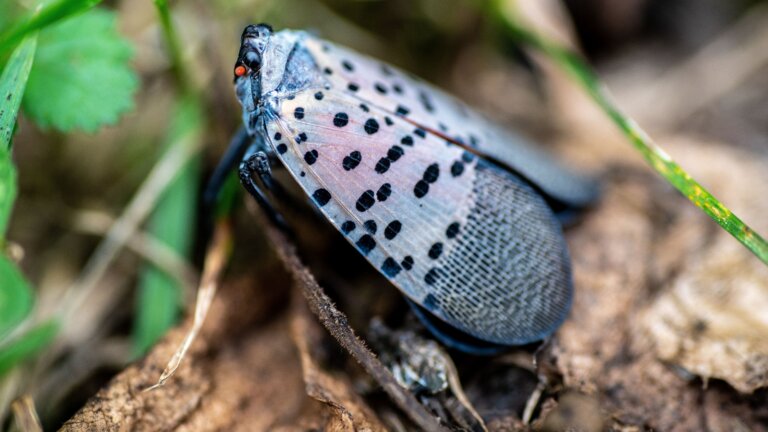
The spotted lanternfly is an aggressive pest that has caused a massive ecological crisis across Southeastern Pennsylvania since 2014. If your home is located within
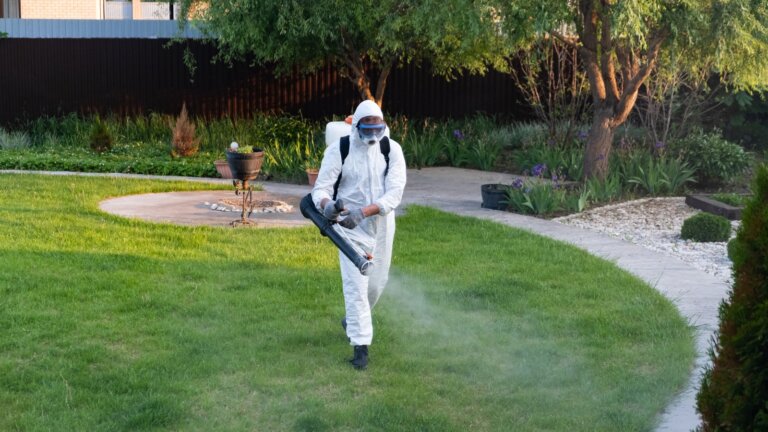
Wondering exactly when to schedule your mosquito and tick yard treatment across the PA, NJ, and DE Tri-State area? The direct answer is late March
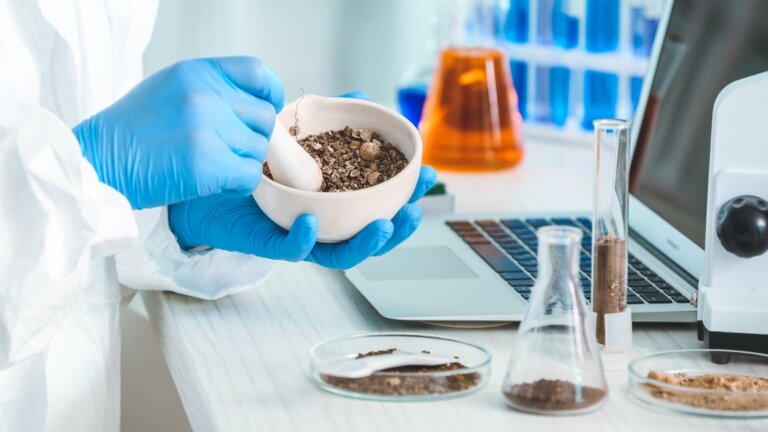
Most lawn problems don’t start with the fertilizer bag. They start in the soil. Yellowing turf, thin growth, and brown patches on lawns in summer
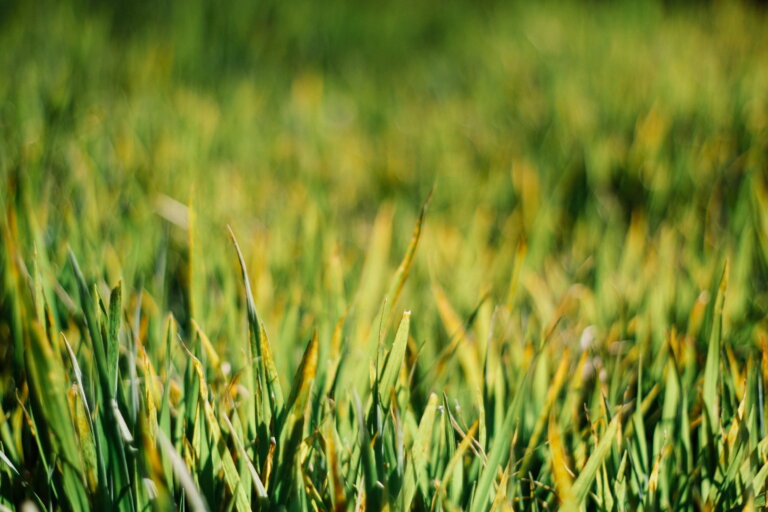
When homeowners look up nutrient deficiencies in plants, they’re usually staring at a lawn that doesn’t look right. The grass may be turning pale green,
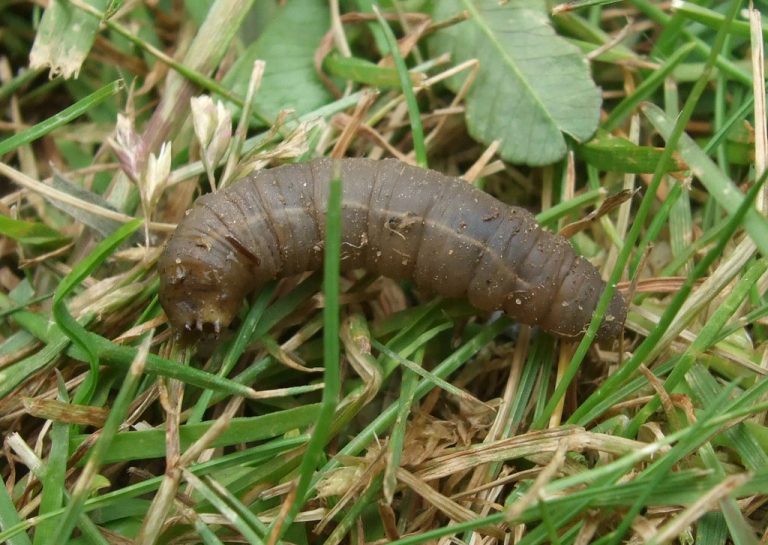
Lawn grub control requires precision, not guesswork. In Pennsylvania, New Jersey, and Delaware, grub damage follows predictable patterns tied to soil temperature, beetle activity, and
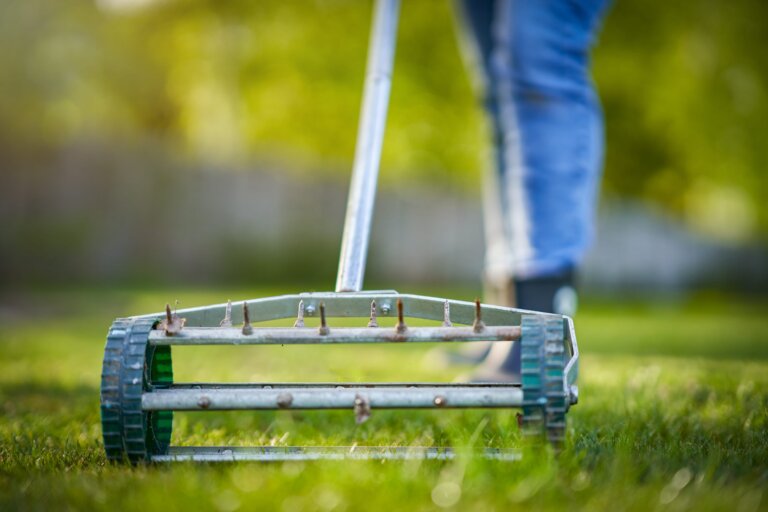
Quick Reference Guide Need a specific schedule for your yard? Balancing soil conditions, lawn age, and family foot traffic can be tricky. Instead of guessing,
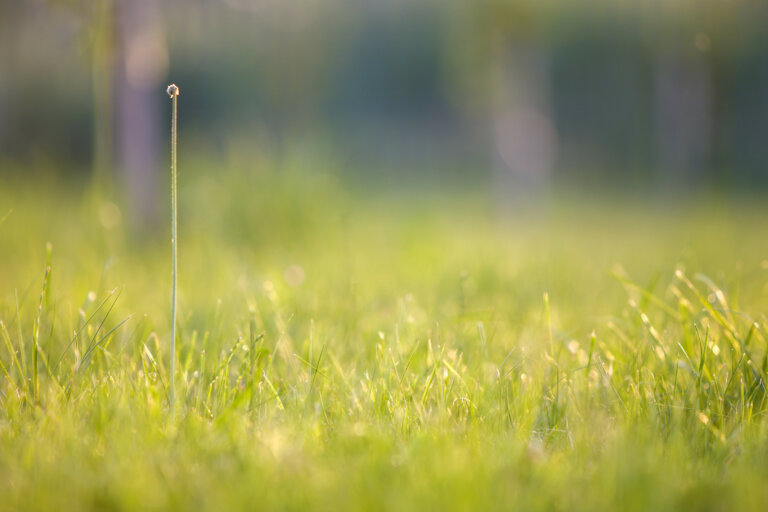
If you’ve noticed thin, bright green shoots that smell like onion or garlic when crushed, you’re dealing with onion grass. For homeowners across Pennsylvania, New

The ideal pH for grass is 6.0 to 7.0. Most lawns grow best within this slightly acidic to neutral range because it allows grass roots
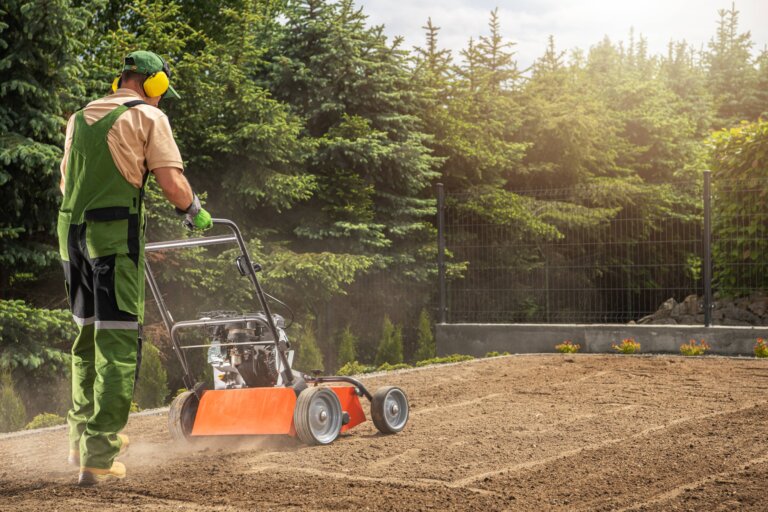
Pennsylvania lawns deal with dense clay soil, heavy seasonal rainfall, and frequent foot traffic. Knowing how to aerate lawn conditions specific to PA can make
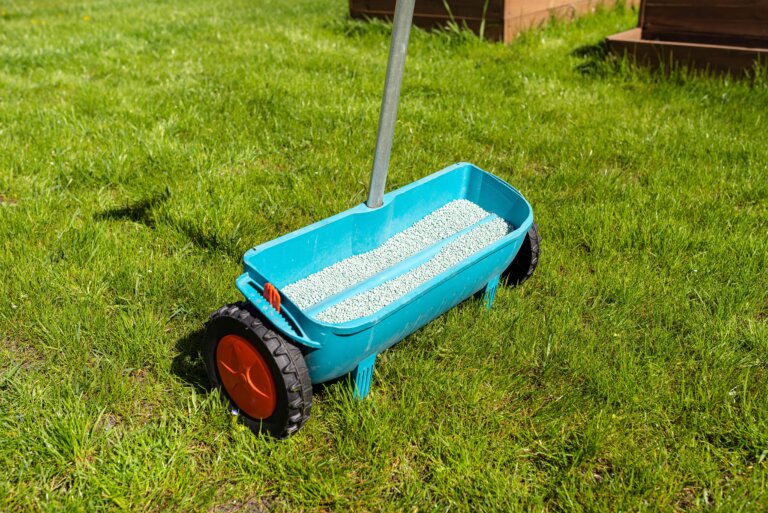
Looking to transform your Pennsylvania lawn into a lush, green paradise? Grass fertilizer 20‑10‑10 provides the ideal balance of nitrogen, phosphorus, and potassium to promote