Mature trees and foundation shrubs across Collegeville and its surrounding communities in Montgomery, Chester, Bucks, and Delaware counties have real work to do this fall, and most checklists get it wrong. Good fall tree and shrub care in Pennsylvania isn’t about cutting everything back before winter. It’s a walk around the property to catch problems while leaves are still up, paired with a clear line on which cuts can wait until dormancy.
Use this as your fall tree care checklist. Start with an inspection, then prune only what’s urgent. Feed with a purpose, and get young trees protected before the ground freezes. Get the order right, and your trees get a healthier start next spring.
What autumn does to trees and shrubs
As days shorten and temperatures drop, top growth slows, but roots keep pulling in water and storing carbohydrates through the cooler weather ahead. That’s why deep watering before the ground freezes matters, and why fall feeding works differently from spring feeding. It’s also why cutting into a plant at the wrong moment fights the hardening-off process instead of supporting it.
This physiology is the reason Terra treats tree and shrub health as its own specialty, backed by an in-house agronomist rather than general lawn-crew judgment. Healthy trees handle this seasonal shift on their own; this walk is built to catch the ones that don’t.
The autumn inspection walk
Time this walk for late fall, after most leaves are down but before the first hard freeze. Walk the property once before you touch a pruning saw or a bag of mulch. Pay special attention to four spots.
The canopy
Look up first. Deadwood and dieback at branch tips show up clearly now, before a full spring flush hides them again. A lopsided canopy is worth checking too. Summer storms leave cracked limbs that stay hidden until you’re looking for them.
The trunk and root flare
- 1 Cracks and cankers, sunken or discolored patches on the bark, are worth a closer look.
- 2 Mushroom-like fungal growth at the base signals internal decay in the trunk.
- 3 D-shaped exit holes and unusual thinning on ash trees point to the emerald ash borer, an invasive insect active across Pennsylvania.
- 4 Girdling roots show up as a trunk with no visible flare at all.
The leaves before they drop
This is the best window all year for catching leaf-spot and blight, because the symptoms are visible before leaves fall and get raked away. Diseased leaves show irregular spotting or off-color patches that don’t match the normal fall color change, and early leaf drop weeks ahead of nearby trees of the same species is another sign to note. That early drop can also signal nutrient deficiencies as well as disease.
Healthy fallen leaves benefit the yard: they break down and return nutrients to the soil. Chopped leaves, laid down in a loose layer, make good mulch. Rake diseased leaves separately so fungal spores don’t overwinter in the soil.
The base and beds
More than three inches of mulch piled against the trunk traps moisture against the bark and invites rot. Fresh digging or gnawed bark near the soil line signals rodent activity, which picks up as winter weather arrives.
A crack running into the trunk or a cavity you can’t see the bottom of needs a professional look. A few spotted leaves or a thin layer of dead twigs wait for spring.
Fall disease watch in the southeastern PA landscape
Two diseases matter more than generic leaf-spot fungi for trees in this region, and autumn is when both show up clearly.
Litylenchus crenatae ssp. mccannii, the nematode behind beech leaf disease, feeds inside leaf buds. First identified in Lake County, Ohio, in 2012, it has since spread across the eastern United States. The damage it causes shows up as dark green banding between leaf veins. In forests hit hard by the disease, an affected stand can look like it’s dealing with drought, since only the beech trees are affected.
Bacterial leaf scorch affects oaks in this area and is just as important to catch in the fall. Pin oaks and red oaks across eastern Pennsylvania are the species most affected, spread by leafhoppers and spittlebugs that move the bacteria between trees as they feed. Symptoms show as browning along the leaf edges, starting in late summer and becoming obvious by fall. A yellow band separates the scorched tissue from the still-green center of the leaf.
Confirming either disease requires someone who can examine the tissue directly. For other pest and disease issues that show up on trees and shrubs in this region, Penn State Extension’s library covers a wide range of them.
How do you tell disease from normal dormancy?
A dormant tree drops leaves gradually and evenly, and those leaves show normal fall color first. A diseased tree drops leaves unevenly, with one section further along than the rest, and the leaves that fall carry spotting or scorching that doesn’t match the season. Both diseases look manageable in year one, so the real risk is waiting too long to act. Flag a suspect beech or oak during your fall walk, since a second season of decline narrows the treatment options.
If you spot lanternfly egg masses on the bark during this walk, Terra’s guide covers identifying and removing them.
What to prune now, and what waits
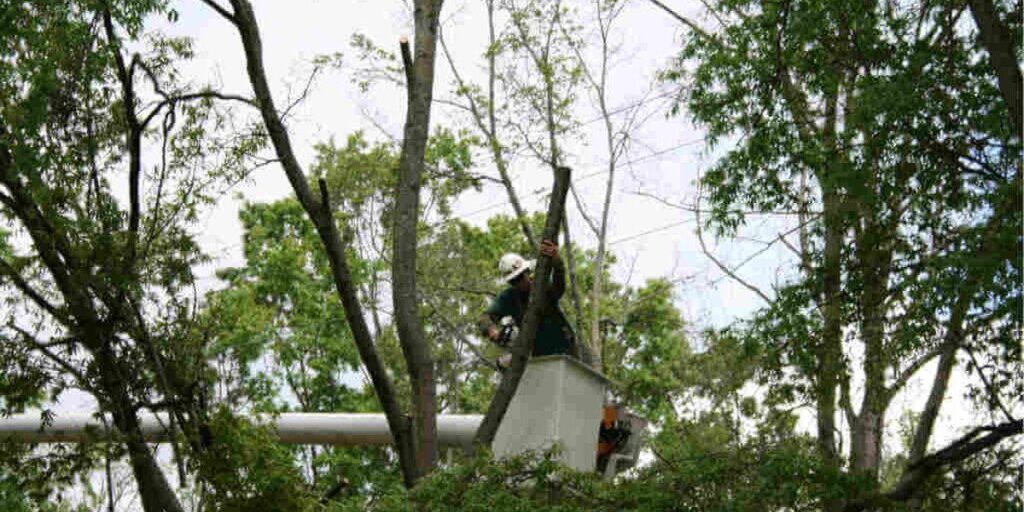
Dead or damaged branches come down at any time of year, including now, especially where a summer storm left something cracked over a walkway or roofline. Remove damaged branches before winter storms add ice and snow weight to an already cracked limb.
Autumn is also a strong window for planting new trees and shrubs, a separate job worth planning for while you’re out walking the property.
General structural pruning is different. Winter is the better time for that kind of work. Penn State Extension recommends pruning during dormancy for two reasons. Leaves are down, so the branch structure is easy to see and correct.
Pests and diseases like oak wilt go dormant in cold weather too, which lowers the risk of infection through a fresh cut. How a cut is made matters as much as timing, a detail covered by Penn State Extension’s guide to pruning landscape trees. A tree without a safety issue right now gets noted for later pruning, once winter dormancy arrives. That’s the core answer to when to prune trees in fall: address hazards now and save shaping cuts for winter.
Spring-flowering shrubs like lilac and forsythia carry one specific trap: their flower buds form during the previous growing season, so cutting them back this fall removes the growth you’re waiting to see bloom. That same source points to a broader reason to hold off: pruning stimulates new growth, and anything pushed out in late summer or fall doesn’t have time to harden off before winter, leaving it exposed to cold injury. Prune spring-flowering shrubs right after they finish blooming instead.
Checking a trunk crack with a flashlight at dusk isn’t glamorous, but it’s the difference between finding a problem in October and finding it after an ice storm.
Is fall a great time to prune trees?
Fall works only for removing what’s dead or damaged. If you spot growth you’d like reshaped instead, mark it with a bit of tape or ribbon now, so you remember exactly where to cut once the tree goes fully dormant. A tree that looks fine structurally in October doesn’t need a decision made today. Note it, photograph it if you want a record, and revisit it once the leaves are down and the whole branch structure is visible.
Fall feeding and what it’s for
Spring feeding supports active growth once the season warms up, but fall feeding works toward a different goal. It supports the root-storage work trees do as they settle in for winter.
The right timing depends on the plant and the soil, which is why a soil test beats a guess about when to fertilize trees and shrubs this fall. Feeding at the right time helps trees establish roots before the ground fully locks up. Terra’s guide to root feeding for trees and shrubs covers how nutrients reach a mature tree’s root zone.
Fall fertilizing fits the window after summer heat breaks and before the ground freezes solid, a different purpose from the spring feeding Terra covers separately.
Mulch, water, and winter protection
Spread two to three inches of mulch around young trees, pulled back from the trunk, for insulation through winter.
Water young and newly planted trees regularly until the soil locks up for winter; fall watering builds the root systems they depend on all winter and reduces drought stress heading into spring.
Wrapping young tree trunks prevents sunscald and frost cracking on bark that hasn’t toughened up.
Evergreens lose moisture through their needles all winter, so check them during cold, windy stretches, especially if fall rain has been light.
Terra’s winter lawn care guide covers the rest of the property for the same season.
Handing it to a professional

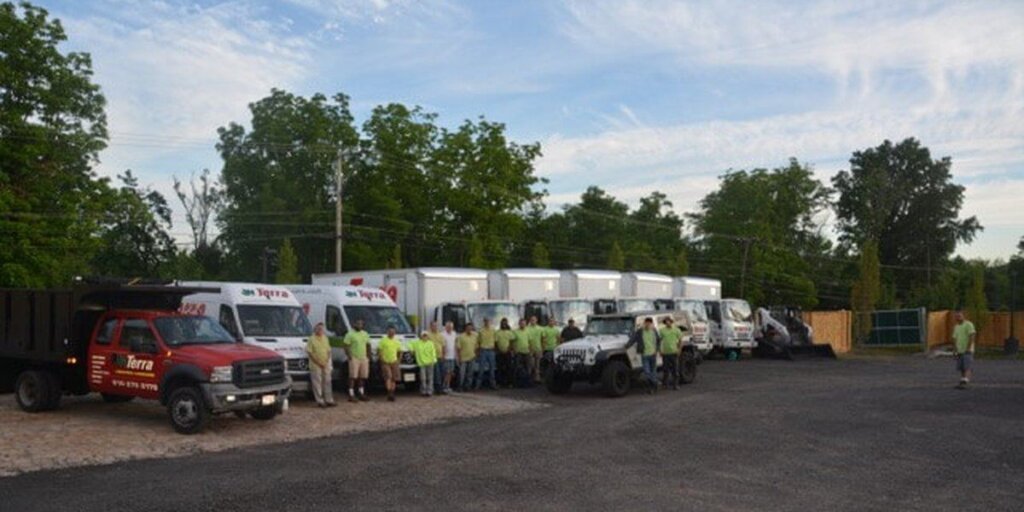
Some jobs from this walk aren’t DIY work. Height and ladders near power lines call for a professional, and so does a trunk crack you can’t see into. Photograph what you’re seeing and take a rough measurement before you call; it makes the first conversation faster. Terra’s own state-certified technicians handle the inspection and the work, so this kind of fall tree maintenance gets the same standard of training on every visit.
Last week, Caesar and his crew of 6 hardworking men arrived and took care in making our property look great. They not only showed up on time, but they were equipped with all the necessary landscaping tools to perform the task! They edged all of our established flower beds, removing the weeds, sticks & leaves and trimmed all of our bushes! They were friendly and went out of their way to ask questions if they needed to. The office staff was also very friendly, knowledgeable and informative. Kristin took the time to answer our questions, return our calls and email us in a timely fashion, explaining what to expect to be completed, products to be used and pricing. Thank you!! It was a pleasure to do business with your company!!
If your property in Collegeville or the surrounding Montgomery, Chester, Bucks, or Delaware County communities needs a closer look before winter, Terra’s tree and shrub program is built for exactly this kind of fall assessment.