
Spotted lanternfly damage to trees comes down to stress and a sticky mess. A healthy, established hardwood rarely dies from lanternfly feeding. Black mold and weeping sap make a tree look doomed, but research from Penn State University paints a calmer picture.
This invasive planthopper, native to Asia, was first discovered in Berks County in 2014 and has spread throughout Pennsylvania. Berks County borders Montgomery County, so yards around Collegeville and across southeastern Pennsylvania sit near where it started.
What does spotted lanternfly damage actually look like?
Spotted lanternfly damage looks like dark streaks of weeping sap on the trunk, with sticky honeydew and black sooty mold on everything below. Spotted lanternflies feed by piercing the bark and drinking sap from the tree’s inner tissue in large quantities. Sap is rich in sugar, so they pass the extra out as honeydew.
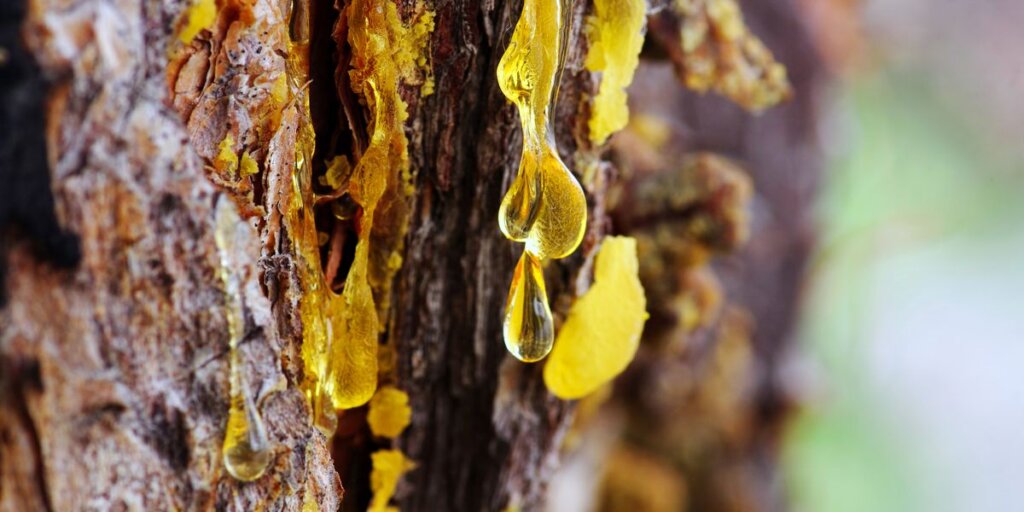
Weeping sap runs down the trunks of trees that hold many feeding lanternflies. The sour, fermented smell of that sap is hard to miss up close. Honeydew rains onto decks and cars below.
How does sooty mold form on trees and surfaces?
Sooty mold forms when fungus colonizes honeydew, which serves as its growth medium. Sooty mold growth coats the plant and everything below it, from patio furniture to cars. The black film also blocks light from the leaves underneath.
Why do wasps gather under infested trees?
Wasps gather under infested trees because honeydew is sugar, and Penn State Extension notes that it also attracts bees along with other nuisance insects. A deck under an infested maple becomes hard to use.
Do spotted lanternfly adults or nymphs do more damage?
Adults are thought to do more damage than nymphs because an adult spotted lanternfly drinks more sap. Over the insect’s life cycle, the diet narrows from many host plants as nymphs to a few tree species as adults in late summer.
By late summer, adults crowd trunks in large numbers. The wasp activity beneath them adds to the seasonal pest problems in Pennsylvania yards.
How much harm does it really do to a tree?
Spotted lanternfly tree damage in Pennsylvania means stress for a healthy, established hardwood. Penn State Extension’s guide for landscape professionals says the death of ornamental and shade trees has not been directly linked to lanternflies to date.
Lanternflies do kill some plants. The management guide links sustained feeding to the deaths of tree of heaven and black walnut saplings, among others.
Sustained feeding can reduce a tree’s ability to turn sunlight into food, and large numbers of nymphs can make individual branches die back. The management guide adds that a few lanternflies on a large, healthy tree are unlikely to cause lasting harm. No one has yet measured how many it takes to weaken a tree.
Does drought make lanternfly damage worse?
Drought makes the stress worse because a tree short on water cannot replace the sap it loses. Consecutive years of sustained feeding then leave a drought-stressed tree open to other pests and diseases.
Deep watering during dry spells and avoiding soil compaction help a tree tolerate feeding. Ongoing care for mature trees and shrubs supports a tree between lanternfly seasons.
Which trees on a Pennsylvania property are most at risk, including tree of heaven?
Tree of heaven and maples draw the heaviest feeding. Tree of heaven is the insect’s favorite host, so its presence on or near your property attracts lanternflies. In Penn State Extension’s identification video, the leaves run one to four feet long with 10 to 40 leaflets. Crushed leaves give off a foul odor.
| Host | What Penn State Extension reports |
|---|---|
| Tree of heaven | Sustained feeding has contributed to deaths. |
| Red and silver maple | Preferred by adults from late summer into fall. Healthy, established maples have not been recorded to die from feeding alone, though branch dieback is observed. |
| Black walnut | Saplings die under sustained feeding. Mature trees survive with branch dieback. |
| Willow and birch | Listed among the trees lanternflies strongly prefer. |
Where do adults gather in large numbers late in the life cycle?
Adults gather in large numbers on red maples late in the life cycle. In a 2020 Penn State Extension count of more than 200 trees at a shopping center, red maples made up 31 percent of the trees. They held over 94 percent of the lanternflies.
Penn State’s guide for landscape professionals says not every tree on a property needs treatment. A favored maple that has to withstand lanternfly feeding benefits from root-level feeding and care.
What do lanternfly egg masses look like in autumn?
Fresh lanternfly egg masses look like a smear of putty-like mud about an inch long. They dry into cracked splotches of light tan or gray by late winter. Females lay eggs from September into late fall. Each mass holds 30 to 50 eggs, and Penn State Extension’s egg mass video shows what fresh and dried masses look like.
Where do lanternflies lay their eggs?
Spotted lanternfly eggs on trees sit on tree trunks and branches. Females also lay on almost any smooth, flat surface, including rocks and outdoor equipment such as patio furniture. New masses go beside existing ones, so one finds points to be closer.
Scraping and removal are covered in Terra’s spring inspection guide for egg masses.
Your ten-minute walk to check for lanternfly damage
A ten-minute walk around the tree gives you early detection of lanternfly damage.
- Stand back and scan the canopy for branches that wilt or turn color early.
- Check the trunk from the soil line up to the first big branches for clusters of adults and dark streaks of sap. In autumn, look for egg masses here too.
- Look at the ground and nearby surfaces for black mold or a sticky film, and note any wasps or bees working the area.
- Write down which tree you checked and what you saw, and take a photo. Penn State Extension reports a good chance that adults return to trees they preferred before, so last year’s notes help.
A canopy that looks thin before lanternflies arrive has another cause behind it, and protecting and feeding trees is where baseline tree health starts.
What does professional treatment involve, and what can it not do?
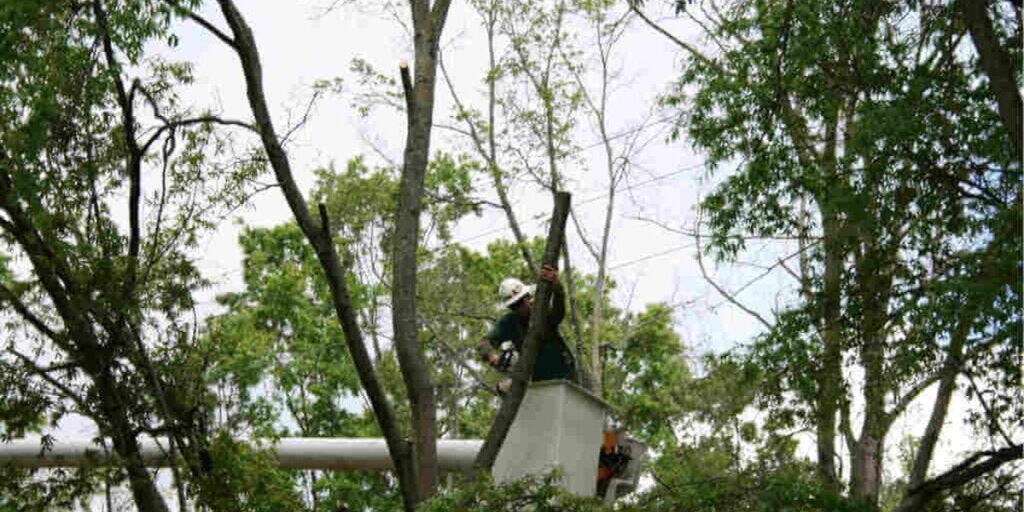
Professional management focuses on the few trees that draw the heaviest feeding and lowers the number of insects on them. Adults fly to new trees from late summer on, so new waves keep arriving. Nothing gets rid of spotted lanternfly on a single property while unmanaged host trees remain nearby, and adults still land on a managed tree.
Treating only the trees that need it saves effort and protects pollinators and other beneficial insects, which is why treatment belongs to licensed professionals.
Terra Lawn Care has been family-owned since 2003, and its in-house agronomist brings 15 years of golf course experience. All work is done by Terra’s own state-certified technicians, with no subcontractors.
“I have to say what an amazing job Terra Landscaping did on my property! They cut, removed and cleaned up a tree that fell in my yard due to storms. Fred was out on Monday to look at the job, Thursday he had his work crew out here first thing in the morning and they are all done by noon! I am extremely pleased with the outcome of the job! I will most definitely be referring Terra Landscaping to my family and friends!!
Thank you again for your prompt attention to a disaster in my yard.
Lisa Giambrone”
If a maple or a tree of heaven on your property keeps drawing heavy swarms, learn what professional spotted lanternfly control from Terra Lawn Care involves. The team serves Montgomery, Chester, Delaware, Lancaster, Berks, Lehigh, and Bucks counties.
Reporting a sighting and Pennsylvania’s quarantine rules
Pennsylvania’s quarantine on this invasive species applies to residents and businesses, and its boundaries have expanded repeatedly. The Pennsylvania Department of Agriculture’s quarantine and permitting page has a map that shows whether your address is quarantined.
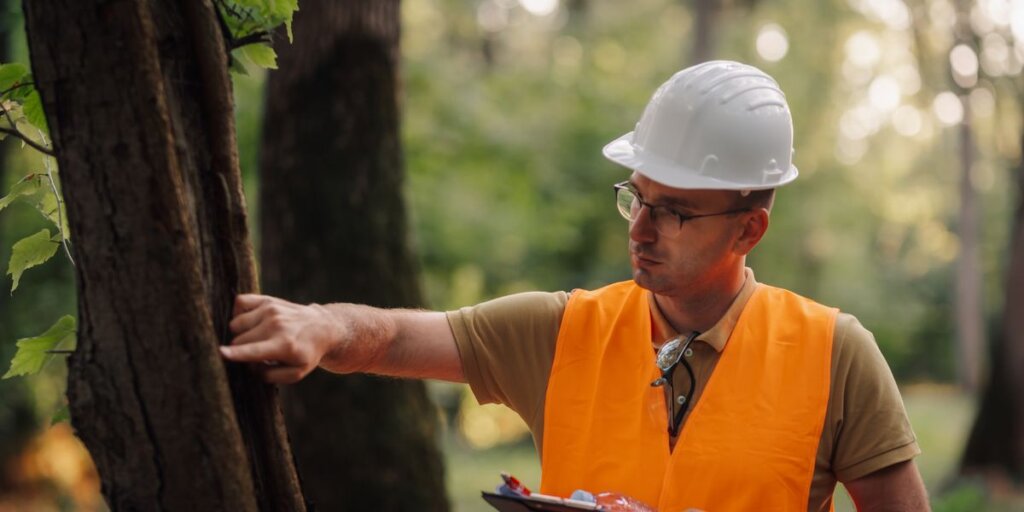
The rules ban moving the insect at any life stage, which keeps this invasive insect from spreading to new areas. Report a sighting through the department’s online reporting tool or by calling Penn State Extension at 1-888-422-3359.