Mosquito activity fades, but it doesn’t cut off
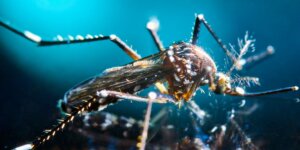
Mosquito season doesn’t end on a fixed date. The timing varies with local climate more than with the calendar, and it fades out as nights across Collegeville and the rest of southeastern Pennsylvania turn consistently cold and temperatures drop, with year-to-year timing shifting depending on how fast fall settles in. If you’ve read our guide on when mosquito season ramps up, this is the other end of that curve.
Mosquitoes are cold-blooded insects. Their activity drops as warmer temperatures give way to cooler temperatures: adult mosquitoes slow down, breeding stops, and the mosquito life cycle stalls before winter. Environmental factors drive that pace more than the date on the calendar does. A drop in activity doesn’t mean these biting insects vanish the moment the calendar flips to September. Cooler nights thin out mosquito numbers fast, but tick season in Pennsylvania keeps running through the same weeks, closely linked to how quickly the region cools.
Tick season in Pennsylvania doesn’t follow the same calendar
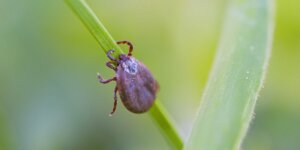
Adult blacklegged ticks, also called deer ticks, are among the most common ticks in the northeastern United States. They actively look for a host in October and November, according to Penn State Extension. Pennsylvania also carries the highest number of reported Lyme disease cases in the country each year, which is part of why Penn State Extension’s tick and tick-borne disease guidance treats blacklegged ticks as the species to watch closely in the fall.
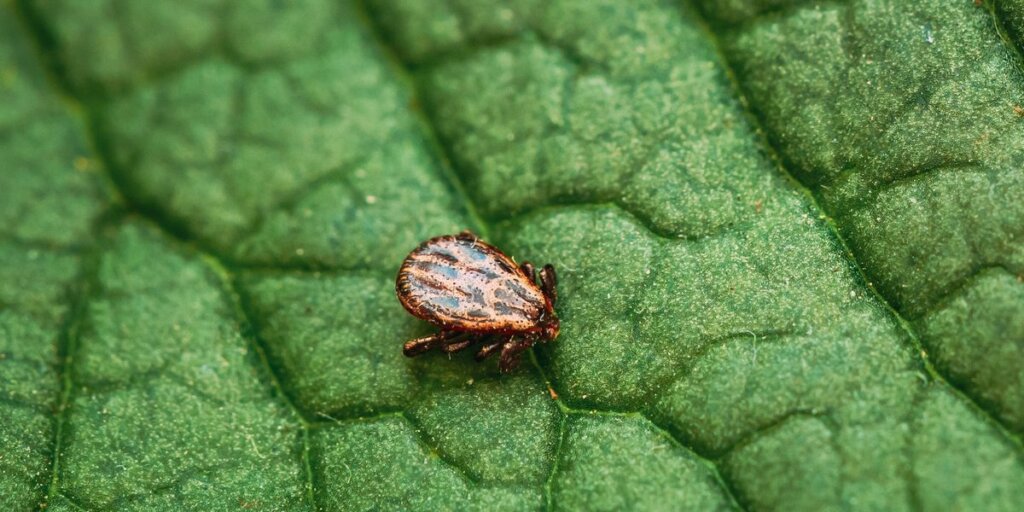
Penn State Extension points to habitat, timing, and temperature as the main drivers of when and where ticks and mosquitoes are active. Blacklegged ticks in particular favor leaf litter, brush, and the wooded edges of a property. That kind of habitat gets harder to avoid in fall, since yard work means spending time in the exact spots ticks are searching hardest.
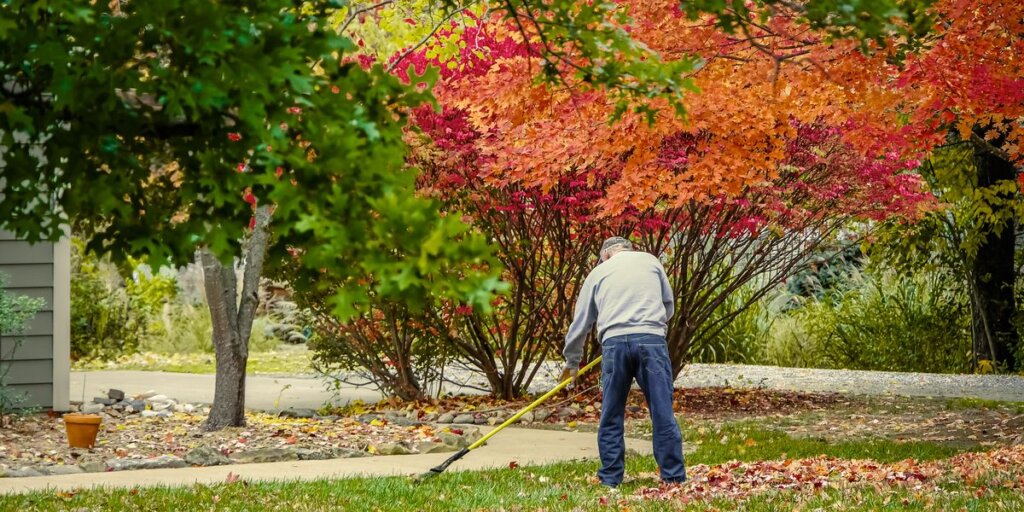
The lag between mosquito decline and peak tick activity is where real skin exposure lives. Homeowners across Collegeville and the surrounding counties are raking leaves and clearing garden beds through October and November, often with dogs along for the walk near wooded property lines. Each of those fall chores puts you in direct contact with a tick searching for its next meal, especially near yard edges where lawn meets woods. The weeks of heaviest yard cleanup are the same weeks ticks are searching hardest.
Do ticks stay active once it turns cold?
Yes, adult blacklegged ticks stay active well into late fall and turn up questing on milder winter days, so tick checks don’t stop just because mosquito season has.
The honest answer to when ticks go away in Pennsylvania is that they don’t fully disappear until a hard, sustained freeze sets in. Even then, a warm stretch can bring them back out.
What’s active in your yard through fall
Mosquito activity is still present after rain, and ticks are fully active in wooded areas and yard edges.
Cooler nights push mosquito populations down fast, but adult blacklegged ticks keep searching for hosts through the whole month.
Mosquito season is over across the region. Ticks still turn up on warmer days, especially in leaf litter and brush. Yellowjackets can also turn defensive in early fall, so use caution during yard cleanup near an old nest.
Why are the last treatments of the year the ones people cancel
By the time cool nights arrive, homeowners assume the treatment season is over. For mosquitoes, that’s accurate. For ticks, the season is still running, which is exactly why late-season mosquito tick treatment planning in Pennsylvania shouldn’t stop in September.
A late-season yard treatment isn’t about knocking down mosquito populations anymore by October. It targets the resting sites and breeding habitat where ticks persist through the fall, while still reaching any biting activity that follows a warm stretch or heavy rainfall. Mosquito control at this point in the year shifts focus away from active insects across an open yard and toward the ground-level cover ticks use to stay warm.
That distinction matters for anyone weighing whether to keep paying for visits this late. Preventive measures now aren’t about stopping mosquito bites you’ve mostly stopped noticing anyway. They’re targeted treatments aimed at the population of ticks that will still be active well past the point homeowners assume pest season has ended.
How is a fall visit different from a summer one?
A fall visit shifts focus from active mosquito breeding sites to the leaf litter and wooded edges where ticks spend the colder months, since that’s where the real risk has moved by October. For the full breakdown of what a treatment visit covers, see how a mosquito and tick yard treatment works.
Terra Lawn Care’s in-house agronomist brings 15 years of golf course experience to how a fall visit gets planned: technicians walk the property to find where ticks are actually gathering, whether that’s a shaded tree line in a Chester County lot or a brushy fence row further out.
There’s a real difference between spraying a whole yard on a schedule and walking the property line to find where the leaf cover is thickest, and it shows in what’s actually still biting in November.
What you can do yourself this autumn
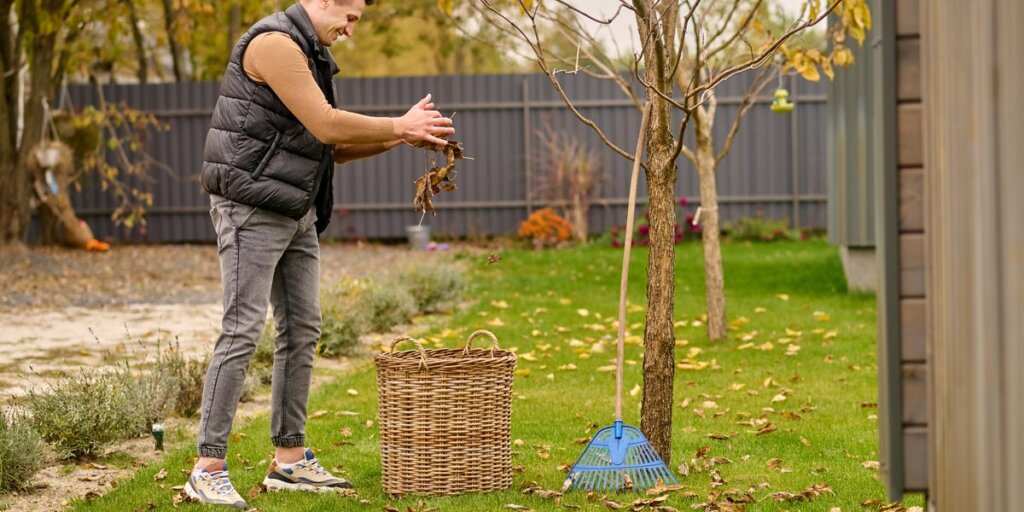
A few habits go a long way as the season winds down. The list below covers yard work and personal protection, and it works whether or not you’ve booked a professional visit. Clearing leaf litter and cutting back brush also lines up with broader fall yard prep that many southeastern PA homeowners are already doing this time of year.
Around the Yard
-
Clear fall leaf litter and other debris from yard edges, especially where the lawn meets the woods. Clearing it is the most direct way of eliminating breeding sites and resting spots that both mosquitoes and ticks need.
-
Dump stagnant water from gutters, tarps, planters, and pet bowls to prevent mosquitoes from breeding. Check for clogged gutters while you’re at it, since backed-up water gives mosquito larvae a place to grow and continue laying eggs into the cooler weeks.
-
Check window screens for gaps or tears, since a damaged screen undoes everything else on this list by giving mosquitoes and other flying pests a way indoors.
-
Keep grass and garden beds trimmed where they border wooded areas, since that’s where ticks wait for a host. This kind of tick prevention in the yard costs nothing but time and removes the habitat ticks need most.
On Yourself and Your Family
-
Wear long sleeves and pants when raking or working near brush, and use an EPA-registered repellent when you’re outside for real stretches of time. The same mosquito repellents that control mosquitoes, including DEET, picaridin, and oil of lemon eucalyptus, also repel ticks and reduce exposed skin risk for different species of both pests. Apply permethrin to clothing and gear before heading out, and keep it off skin entirely.
-
Run a full tick check after being outside. Removing an attached tick within 24 hours lowers the risk of Lyme disease, per Penn State Extension’s fall tick prevention guidance.
Finding a tick crawling up your sleeve after an hour of raking makes you take that check seriously every time after.
Is it too late to treat my yard for ticks in the fall?
No, a fall treatment holds real value because it hits tick activity at the exact point in the year when homeowners stop thinking about prevention. Skipping it doesn’t save you from risk. It just moves the risk into the weeks nobody’s watching for it.
When it’s worth having the yard treated instead
Self-care habits handle some of the risk, but a few property types carry more of it than a quick weekend of raking can fix:
A few property types carry more risk than a weekend of raking can fix:
-
A wooded lot boundary, where leaf buildup piles up faster than you can clear it. This is common across the wooded lots from Collegeville out through parts of Bucks and Lehigh counties.
-
Regular deer traffic, since deer carry ticks onto the property in the first place.
-
Standing water you can’t eliminate.
-
Kids or dogs use the yard daily through the fall.
A professional visit handles what raking and repellent leave behind, especially for anyone who wants a look at the earlier months this article doesn’t cover, in this guide to spending more time outside without the bites.
Great price. Always a great experience. Very thorough to ensure the lawn treatments have the expected outcome.
If your property matches any of that, professional mosquito control that runs through the fall is worth a conversation before you write off the rest of the season.
You can browse the rest of what we handle on our pest control page if mosquitoes and ticks aren’t the only things on your mind heading into fall.