
Byline: Reviewed by Bryan, Terra Lawn Care’s Turf Care Specialist
Your backyard has probably been sitting unused since the humidity set in. Maybe you’ve tried a citronella candle or a clip-on repellent, and neither one changed much. A mosquito yard treatment is a targeted application to the shaded spots where adult mosquitoes rest during the day, combined with removing the standing water where the next generation develops. That’s a different job from fogging an entire lawn or spraying repellent directly on people, and understanding the difference is the fastest way to tell a real treatment from an expensive guess.
What a Mosquito Yard Treatment Actually Is
Two jobs happen during one visit. A technician treats the shaded, humid vegetation where adult mosquitoes rest, including dense shrubs and ivy. The underside of a deck gets the same treatment. Separately, standing water around the property is found and dealt with, since that’s where eggs turn into biting adults.

Skip one job, and the other can’t fully work. A yard sprayed every month with a saucer of water still sitting under a fern keeps producing mosquitoes faster than the spray knocks them down, especially on the older properties common across Montgomery, Chester, Delaware, and Bucks Counties, where decades of mature ivy and dense shade give mosquitoes plenty of places to hide. This is also what separates a real treatment plan from a subscription that mostly sells peace of mind: a technician who only ever shows up with a backpack blower and never checks the gutters or a low spot in the yard is doing half the job. When to start yard treatment walks through the seasonal side of this, from spring through fall.
Where Adult Mosquitoes Actually Spend the Day
Mosquitoes lose water fast, so sitting in direct August sun for more than a few minutes risks drying them out. The Northern house mosquito and the Asian tiger mosquito do most of the biting in Pennsylvania yards, and the tiger mosquito is an aggressive early morning and evening biter that breeds in almost any small container holding water.

Both species need shaded areas with still, humid air to survive the afternoon. That’s why they cluster inside dense ivy, the undersides of broadleaf shrubs, low ground cover, and foundation plantings. Open, sunny grass barely factors in as a resting spot, and keeping grass cut short year-round removes one more place for them to hide at ground level. A technician treats the tree line and the deck and porch undercarriage. Dense plant beds along the fence get the same attention. Consistent plant bed maintenance and tree and shrub care keep these zones from turning into permanent shelter between visits.
Container-breeding mosquitoes rarely travel far from where they hatched, usually staying within a few hundred yards, so a yard’s mosquito problem is almost always coming from that yard, or the one next door. That’s part of why a neighbor’s untreated property puts a real ceiling on results.
How the Yard Spray Is Applied
A garden hose attachment produces droplets in the 200 to 500 micron range, about the width of a few human hairs. Gravity pulls them straight down, so they land on the sunny tops of leaves and miss the shaded undersides where mosquitoes rest. Since they never really bind to the leaf, they wash off easily too.
Professional backpack mist blowers atomize liquid into droplets as small as 10 to 50 microns, fine enough to ride a turbulent air stream instead of falling straight down. That turbulence flutters the foliage and swirls the mist upward, giving thorough coverage to the undersides of leaves a hand sprayer never touches. That access to the underside of dense foliage is the main reason store-bought sprays underperform, more so than any difference in the chemical itself.
Before a visit, move pet bowls and toys indoors and mow beforehand, and flag anything needing special handling, like a pond or a beehive. The vegetable bed gets the same heads-up. After the visit, the spray needs time to dry before pets or kids go back into the treated area.
Does rain wash it off? These active ingredients cling to oils and waxes, so once the liquid dries, they bond tightly to a leaf’s waxy coating, which is what keeps a normal rain shower from stripping it away. Sunlight is what eventually breaks the compound down, which is why shaded foliage holds a treatment longer than a sunlit fence line.
The Active Ingredient, and What It Means for Pets and Kids
Most barrier sprays use a synthetic pyrethroid as the active ingredient. It’s a lab-made version of a natural bug-killing compound originally found in chrysanthemum seed cases. The specific product Terra applies, along with the exact re-treatment interval and rain policy, is something your technician can confirm for your yard directly.
Is mosquito spray safe for pets and children? The label sets a re-entry interval, the point at which a kid or dog can safely walk back into a treated area, once the spray has finished drying and bonding to the leaf. That bond to the leaf surface is also what keeps it from rubbing off onto skin or fur once it’s dry. Confirm the exact re-entry window with your technician, since it varies by product and label.
A plant-based option is often available and can be gentler on the environment. Lemongrass oil and cedarwood oil repel mosquitoes through scent and contact repellency, but these essential oils are highly volatile, so their odors fade fast and protection can run as short as 30 minutes and rarely lasts past four hours, instead of the weeks a barrier spray holds up, meaning more frequent visits. Terra’s organic lawn care approach goes into this in more depth. Flag any beehives or flowering plants with your technician rather than assuming they’re already accounted for, and never take “completely safe” as a given from any provider, Terra included.
The Half of the Job No Spray Does: Standing Water
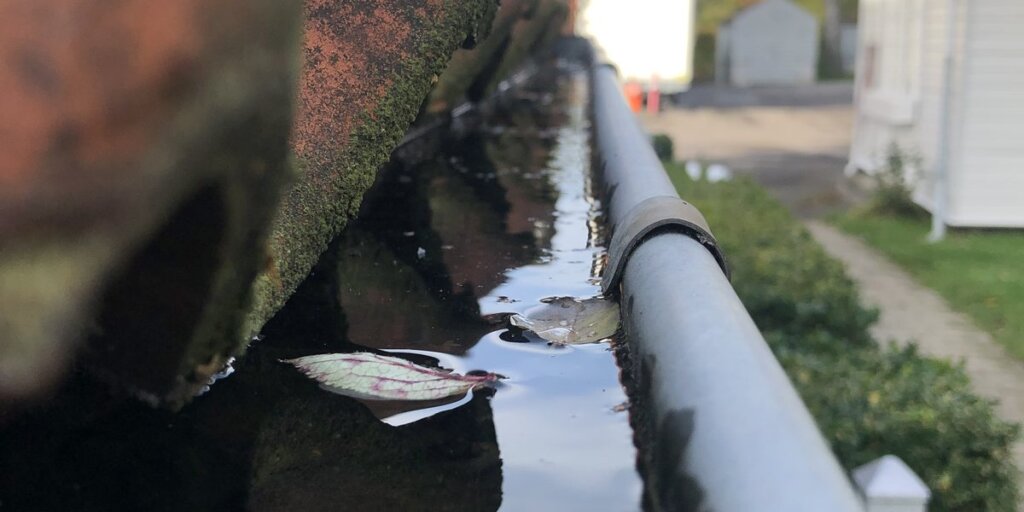
Mosquitoes need standing water to lay eggs. In a Pennsylvania summer, an egg can become a biting adult in seven to ten days. A bottle cap holds enough water to matter, and emptying anything that can fill with rainwater is the single best way to prevent mosquitoes from breeding on the property at all.
Walk the property looking for:
- Clogged gutters and splash blocks
- Saucers under potted plants
- Bird baths, refreshed weekly rather than just topped off
- Tarps sagging over firewood or a grill
- Sandbox lids, wheelbarrows, kids’ toys, and bin lids that collect rain
- Corrugated drain pipe extensions and low spots that stay wet
- Pool covers and unused kiddie pools
- Old tires and other containers that collect rainwater unnoticed
- Tree holes, which can be filled with sand to stop them holding water at all
Tipping over a saucer that’s been sitting under a fern for two weeks takes a minute, and it’s the highest-return thing anyone can do for free. Most homeowners spend less time on the whole property than they’d expect.
Ponds and rain barrels can’t just be dumped out. Neither can a drainage ditch that holds water after a storm. Standing water like this calls for a biological larvicide known as Bti, a naturally occurring soil bacteria that only activates inside the highly alkaline gut of a mosquito larva, a condition mammals and pollinators don’t share, as Penn State Extension’s mosquito guidance also confirms. Whether a specific Bti product suits a pond with fish is still worth confirming with your technician directly. Consistent lawn care program upkeep, including grading and drainage, helps keep low spots from forming in the first place.
What a Treatment Can and Can’t Do
A barrier treatment cuts the resting adult population in the treated zone and holds it down between visits, often knocking back black flies and other pests using the same shaded spots, but it can’t create a sealed bubble. Mosquitoes fly, and a neighbor’s untreated yard or a nearby creek, common along the wooded lots throughout Montgomery and Bucks County, puts a ceiling on results no spray can lift.
Will it kill bees? Broad-spectrum sprays and other pest-control chemicals can harm pollinators along with mosquitoes, so Penn State Extension’s pollinator-friendly mosquito guidance recommends applying adult treatments in the evening or at night, when pollinators are far less active, and leaning on larvicides for standing water instead of foliage sprays wherever that’s an option. Technicians also avoid applying spray directly to blooming plants where bees are foraging. A treated pond still gets a wide buffer rather than direct spray, since fish and moving water change what’s appropriate there.
Pennsylvania’s Department of Environmental Protection tracks West Nile virus in local mosquito populations each season. Culex pipiens and Culex restuans are the primary carriers. Fewer bites is the honest result a treatment can promise, and no spray goes further than that.
Will I Still See an Occasional Mosquito?
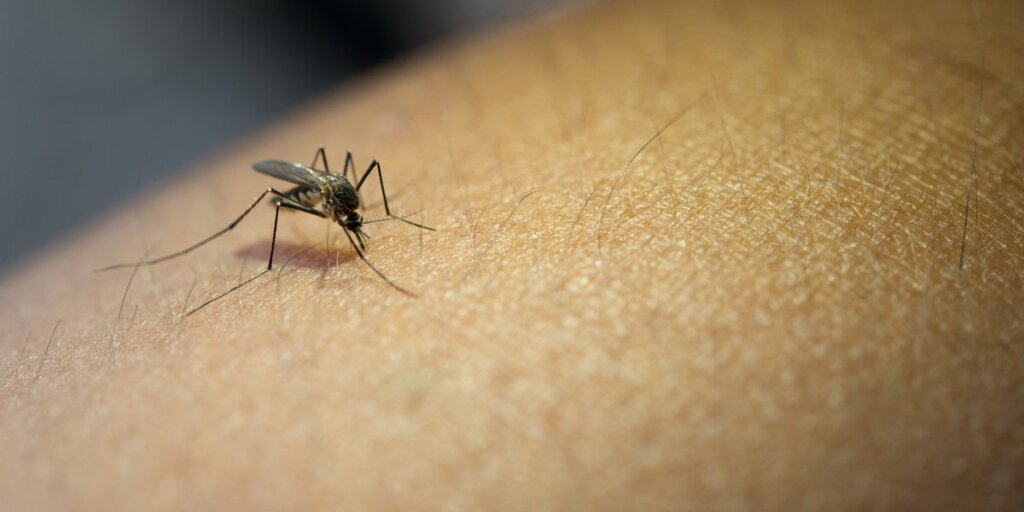
Yes. Success looks like a usable evening on the patio with an occasional mosquito around, well short of a yard with zero insects in it. Rain and heat shift that result week to week, and results tend to build over the first few visits rather than showing up all at once.
DIY Options, Honestly Assessed
Source reduction comes first, and it’s free: dump standing water weekly before spending money on anything else. From there, the options mostly come down to different scents and chemicals, each with its own limits.
| Method | What It Does | Where It Falls Short |
|---|---|---|
| Hose-end concentrate | Attaches to a garden hose to coat leaf surfaces with a pesticide mix | Large droplets miss the shaded undersides where mosquitoes rest, and repeat purchases add up in price over a season |
| Personal repellents (DEET, picaridin, oil of lemon eucalyptus, IR3535) | Protects skin for as long as it’s worn | Does nothing for the yard once it’s removed |
| Botanical sprays (lemongrass oil, cedarwood oil) | Repels through scent for a few hours | Protection can run as short as 30 minutes and rarely lasts past four hours, so it needs frequent reapplication |
| Repellent plants | Add citronella or marigolds to a garden bed | Doesn’t release enough vapor on its own to deter mosquitoes |
| Bug zappers / UV traps | Attracts and kills flying insects | Mosquitoes track carbon dioxide and heat; UV light barely factors in, so zappers mostly catch moths and other beneficial insects instead |
A box fan aimed across a patio does more good than any zapper, since mosquitoes are weak fliers and moving air makes it hard for them to land at all. A refill every week or two adds up fast for the coverage you actually get. DIY runs out of road on larger properties, dense mature plantings, a wooded edge, or standing water someone else controls, like a low spot next door. That’s the point where most homeowners start looking at a professional programme instead.
Why Professional Treatment Works When It Works
A backpack mist blower reaches the interior of dense shrubs and trees that a consumer sprayer can’t penetrate, which explains most of the proven effectiveness gap with DIY attempts.
A trained eye also catches what a homeowner walks past daily: a downspout extender that never fully drains, a tarp sagging just enough to pool water. Finding those is a routine part of every technician’s visit.
Terra’s technicians are individually state-certified across Pennsylvania, New Jersey, and Delaware, with no subcontractors involved, and the program is overseen by an in-house agronomist with 15 years of golf course experience.

Ticks and fleas benefit from some of the same vegetation management, though they get their own dedicated approach as part of Terra’s broader outdoor pest control services.
Treatment focuses on perimeter vegetation and foundation plantings. The open lawn barely gets touched, since resting mosquitoes are somewhere else entirely.
Ready for a Yard You Can Use Again?
Terra handles the targeted barrier application and the harder-to-find breeding sites, so you can get back to enjoying your backyard. Between visits, you handle the simple habit of tipping over saucers and checking gutters. When you’re ready to see what a targeted treatment looks like for your yard, a state-certified technician can walk your property in Montgomery County or the surrounding suburbs and pinpoint your specific shade and standing water zones. From there, you’ll get a straightforward, zero-pressure estimate.
Get started by requesting a custom mosquito control assessment today.
“The Terra team is the best I have experienced. They communicate well/timely, always on time, friendly, and do a great job. Highly recommend them!”