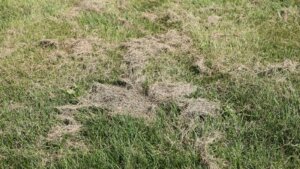
Is your lawn struggling with yellow leaves or slow growth? Potassium helps your grass stay strong, green, and resilient against drought, heat, and disease.
TL;DR: What You Need To Know
- Essential nutrient: Potassium strengthens roots and helps lawns stay healthy under stress.
- Works with N-P-K: Supports cell health, enzyme activity, and overall plant nutrition.
- Boosts resilience: Improves drought tolerance and disease resistance.
- Enhances roots and nutrient uptake: Helps soil absorb key nutrients like magnesium, calcium, and sulfur; works well with nitrogen fertilizer.
- Supports photosynthesis: Helps grass use sunlight efficiently for thicker, greener blades.
- Deficiency signs: Yellow or brown edges, weak roots, slow growth.
- Correction tips: Test your soil, apply potassium fertilizers (chloride, sulfate, or kelp/compost), improve soil structure, and use liquid or slow-release fertilizers evenly.
Understanding the Role of Potassium in Lawn Health
According to Kansas State University Extension, potassium is essential for strong, healthy lawns, supporting turf growth and overall resilience. Lawns absorb potassium directly from the soil, making it a key nutrient for vibrant, stress-resistant grass.
As one of the three essential nutrients—alongside nitrogen and phosphorus—potassium plays a key role in plant nutrition, cell strength, and enzyme activation, which are vital for overall plant health and stress resistance.
In the balanced N-P-K ratio found in many fertilizers, potassium (K) is the third component and is frequently referred to as potash.
Why Potassium Fertilizer Matters for Plant Growth
Boosts Drought and Disease Resistance
Potassium fertilizer strengthens plant cell walls, improves soil moisture regulation, and enhances a lawn’s disease resistance. This means grass can better handle drought, soil temperature fluctuations, and fungal infections common in Pennsylvania’s humid summers.
Enhances Root Growth and Nutrient Uptake
Potassium supports root growth by improving oxygen levels and soil aeration, allowing roots to absorb water-soluble nutrients like magnesium, calcium, and sulfur. Healthy roots make your lawn more resilient to sandy soils, clay layers, and poor drainage conditions often found in older Montgomery County neighborhoods.
Pairing potassium with a well-planned nitrogen fertilizer program further promotes lush, vibrant growth and ensures your lawn gets all the nutrients it needs for long-term health.
Aids in Photosynthesis and Energy Conversion
Potassium facilitates enzyme activation during photosynthesis, enabling plants to use carbon dioxide more efficiently and sustain steady crop growth or turf development. In short, potassium ensures your grass uses sunlight and nutrients effectively—fueling thick, green, healthy blades.
How to Correct Potassium Deficiencies in Soil
Step 1: Conduct a Soil Test
A soil test is the first step in understanding nutrient balance. Testing reveals available potassium, pH, and other essential minerals.
PA homeowners can request a test through local extension offices or rely on Terra Lawn Care fertilization services for professional analysis.
Step 2: Choose the Right Potash Fertilizer
When test results indicate low potassium, select a balanced fertilizer or one rich in K, such as:
- Potassium chloride (muriate of potash) — the most common and cost-effective source.
- Potassium sulfate — ideal for sensitive lawns or fruit trees needing lower chloride content.
- Kelp meal or compost — excellent organic potassium options that improve soil structure.
For year-round health, apply potassium fertilizer in spring and fall when soil temperature is moderate, and lawns are actively growing.
Learn more about nutrient ratios and their importance in our Nitrogen, Phosphorus, and Potassium Lawn Fertilizer Guide.
Step 3: Improve Soil Structure and Aeration
For clay-heavy soils, core aeration helps nutrients move deeper into the root zone, while sandy soils benefit from added organic matter to retain soil water. Both practices help plants readily absorb available potassium, minimizing unavailable potassium buildup near the surface.
Step 4: Apply Liquid or Granular Fertilizer Evenly
Use a liquid fertilizer or slow-release granular type to ensure steady potassium uptake. Avoid over-application—excess potassium can disrupt nitrogen and phosphorus absorption, leading to deficiency symptoms and uneven plant growth.
Signs of Potassium Deficiency in Lawns
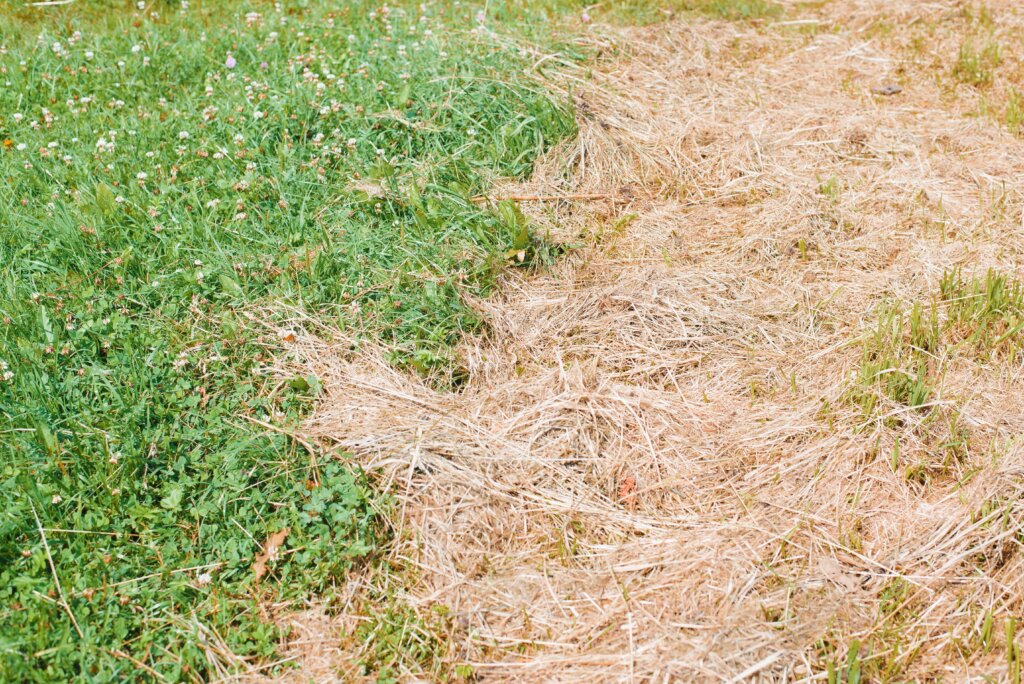
Identifying potassium deficiency early helps prevent lasting turf damage.
Common deficiency symptoms include:
- Yellow or brown leaf edges, especially on lower leaves.
- Weak root systems and slow growth.
- Increased susceptibility to disease or drought stress.
If these signs appear despite regular fertilization, consult a professional to evaluate unavailable potassium in your soil profile. For complementary nutrients, read our related guide on Phosphorus Fertiliser: The Root of Success for a Healthy Lawn.
Professional Lawn Potassium Treatment in Pennsylvania
Maintaining the correct balance of nutrients requires both science and experience. At Terra Lawn Care Specialists, our in-house agronomist and state-certified technicians use precise soil testing and advanced treatments to correct potassium deficiencies and strengthen your lawn’s long-term vitality.
Locally owned and family-operated since 2003, Terra serves Montgomery County and the surrounding PA areas with expert lawn fertilization, tree care, and pest control. With over 50 years of combined agronomic experience, our team ensures your lawn stays resilient through every season.
Bottom Line
Potassium is the unsung hero of lawn nutrition, quietly supporting root growth, disease defense, and overall plant health. By maintaining proper soil potassium levels, you protect your lawn against the stresses of Pennsylvania’s changing climate.
Partner with Terra Lawn Care Specialists to ensure your lawn remains strong, lush, and beautifully green year-round. Need help restoring balance to your soil? Contact us today for a free estimate.
Frequently Asked Questions about Potassium Fertilizer
Fertilizers such as potassium chloride (muriate of potash), potassium sulfate, and kelp meal are high in potassium. These fertilizers supply a readily available pool of nutrients that plants can absorb efficiently. They are often included in balanced formulas like 10-10-10 or 15-15-15, ensuring your soil receives a mix of nitrogen, phosphorus, and potassium for healthy lawn and crop development.
Potassium fertilizer strengthens lawns and crops by supporting root development and improving oxygen levels in the soil, which enhances nutrient uptake. It also helps grass and plants resist diseases, drought, and temperature stress, keeping lawns vibrant and healthy.
With sufficient potassium, your soil better supports the plant’s use of magnesium, sulfur, and other essential minerals, reducing the risk of deficiency in both lower leaves and new growth.
Natural sources like compost, wood ash, and kelp meal provide potassium that is considered readily available for plants. Applying small amounts gradually improves soil structure and adds essential nutrients without causing salt buildup. These options are especially effective for vegetables, fruit trees, and lawns that require balanced fertilization for steady growth and development.
Start with a soil test to measure potassium levels and other critical nutrients. Then, apply a potash fertilizer—either granular or liquid—uniformly across the lawn or garden.
Proper application ensures plants can absorb the potassium from the readily available pool in the soil, supporting root growth, photosynthesis, and overall plant health. Combining this with a nitrogen fertilizer program further helps meet the crop needs of your lawn or garden while maintaining soil balance.