Want a greener lawn that actually lasts? Discover the best types of fertilizers to feed your soil and fuel healthy, year-round growth.
Key Takeaways
- Organic fertilizers: Natural options like compost, manure, and bone meal enrich soil and boost long-term fertility.
- Inorganic fertilizers: Synthetic blends such as ammonium nitrate or calcium ammonium nitrate offer fast nutrient delivery.
- Liquid fertilizers: Quick-absorbing solutions ideal for rapid green-up during active growth.
- Granular fertilizers: Slow-release pellets that provide steady, consistent feeding.
- Powder fertilizers: Water-soluble and customizable for precise nutrient control.
- Slow-release fertilizers: Gradually release nutrients to avoid overfeeding.
- Fast-release fertilizers: Deliver immediate results for fast plant response.
- Macronutrient fertilizers (NPK): Supply nitrogen, phosphorus, and potassium for balanced lawn and plant health.
- Micronutrient fertilizers: Add trace minerals like iron, zinc, and calcium nitrate to correct deficiencies.
- Pro tip: In the Tri-State area, match fertilizer type to your soil test results and local climate for best results.
Understanding the Different Types of Fertilizers
Healthy lawns and gardens begin with the right fertilizer. Whether you’re working with Pennsylvania’s sandy soils or nutrient-rich loam in the Tri-State area, understanding the types of fertilizers helps you promote root growth, soil health, and plant nutrition effectively.
In simple terms, fertilizers supply plants with vital elements like nitrogen, phosphorus, and potassium (NPK)—the building blocks of strong, green growth. Let’s explore each fertilizer type and how to use it effectively.
Organic Fertilizers
Organic fertilizers come from natural materials like compost, manure, and blood meal. They release nutrients slowly, improve soil organic matter, and support soil microorganisms.
Examples include:
- Fish emulsion: A water-soluble fertilizer ideal for quick nutrient absorption.
- Bone meal: Rich in phosphorus for flowering plants and root strength.
- Compost: Enhances soil structure and nutrient availability naturally.
Organic fertilizers work best for homeowners who want sustainable lawn care and improved fertilizer efficiency without relying on chemical substances.
Learn how to apply Liquid Lawn Fertilizer: Boost Soil Health and Lawn Growth for faster nutrient delivery.
Inorganic Fertilizers
Inorganic fertilizers, also known as synthetic fertilizers or chemical fertilizers, are engineered to deliver precise nutrient concentrations quickly. They contain ingredients like urea ammonium nitrate, ammonium nitrate, and calcium ammonium nitrate—all of which provide fast-acting nitrogen for healthy growth.
These fertilizers are ideal for quick lawn green-ups, though using too much nitrogen can lead to excess growth or nutrient runoff. Always follow the fertilizer label and conduct a soil test before application.
Liquid Fertilizers
Liquid fertilizers mix easily with water and deliver nutrients directly to the root zone or leaves. They are perfect for foliar fertilizers and controlled-release fertilizers in lawns needing fast recovery.
Common examples include:
- Ammonium polyphosphate liquid for phosphorus and potassium.
- Fish emulsion for organic nitrogen.
- Water-soluble urea for immediate nitrogen availability.
Liquid fertilizers work best in the growing season when soil temperature supports active nutrient uptake. Explore how to Use Liquid Fertilizer effectively for optimal results.
Granular Fertilizers
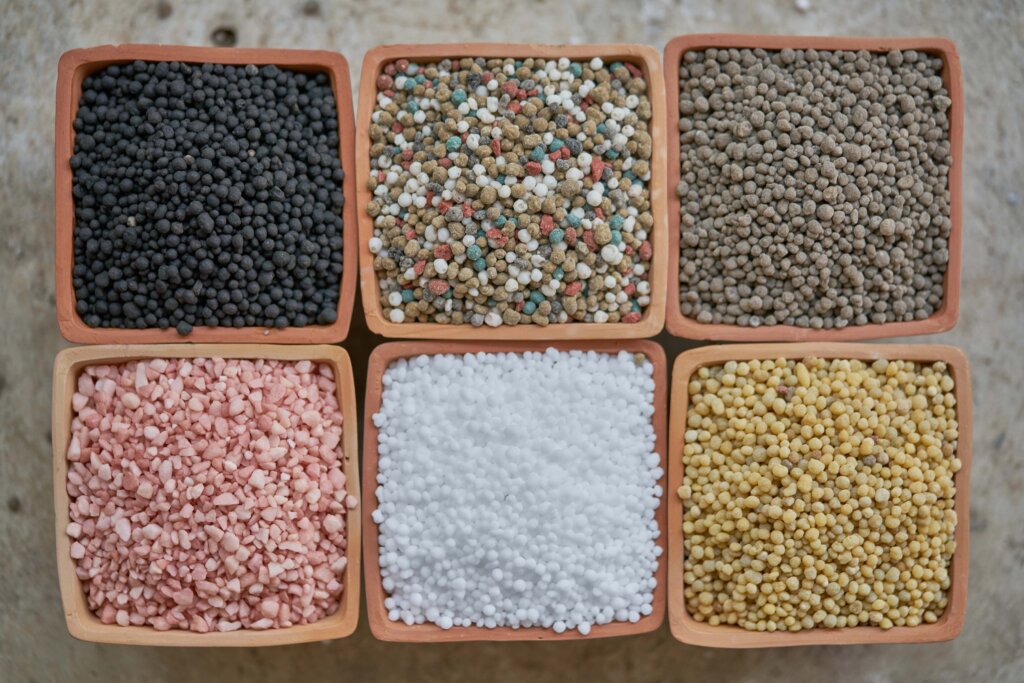
Granular fertilizers are dry pellets that release nutrients over time. They’re especially useful for lawns that benefit from steady nutrient availability.
You’ll often find two categories:
- Fast-release (like ammonium nitrate or potassium chloride) for immediate greening.
- Slow-release for consistent feeding and improved fertilizer efficiency.
Granular fertilizers are perfect for long-term lawn maintenance and root development. Read more about Granular Fertilizer Benefits and how to apply them properly.
Powder Fertilizers
Powder fertilizers are fine, dry blends that dissolve easily in water or can be spread dry. They’re often used in fertilizer solutions for professional lawn applications. They’re popular in the fertilizer industry because they allow custom blending with fertilizer additives and specialized fertilizers, offering control over nutrient ratios for various soil types.
According to the United States Department of Agriculture’s Economic Research Service, producers of major U.S. crops applied 2.32 million tons of nitrogen fertilizers in 2011—demonstrating the scale of nutrient-supply applications, including soluble and custom-blend forms like powder fertilizers.
Slow-Release vs. Fast-Release Fertilizers
| Type | Best For | How It Works |
|---|---|---|
| Slow-Release Fertilizers | Consistent lawn feeding, preventing too much fertilizer burn | Gradually release plant nutrients using coated granules or organic materials |
| Fast-Release Fertilizers | Quick green-up or seasonal growth boost | Provide immediate nitrogen fertilizer action through nitrate-based fertilizers like sodium nitrate or anhydrous ammonia |
Both improve plant roots and overall lawn performance, but the choice depends on your lawn’s timing and growth needs.
Macronutrient Fertilizers (NPK Ratios)
Every fertilizer label lists an NPK ratio, representing the three major nutrients plants need for balanced growth.
| Nutrient | Function | Common Sources |
|---|---|---|
| Nitrogen (N) | Encourages lush, green leaf and shoot growth; supports healthy plant cells and photosynthesis. | Urea, ammonium nitrate, sodium nitrate |
| Phosphorus (P) | Strengthens roots, improves flowering, and enhances nutrient transfer within plant tissues. | Bone meal, diammonium phosphate, superphosphate |
| Potassium (K) | Increases disease resistance, regulates biochemical processes, and boosts drought tolerance. | Potassium chloride, potassium sulfate, potassium nitrate |
A balanced fertilizer like 13-13-13 provides equal parts of these nutrients, perfect for lawn maintenance and garden fertilizers, while straight nitrogen fertilizers, such as urea, focus on quick green-up results.
Micronutrient Fertilizers and Specialized Blends
Beyond the major nutrients, plants also need micronutrient fertilizers containing iron, zinc, boron, manganese, and copper. These support plant cells, regulate biochemical processes, and prevent nutrient deficiencies.
Specialized options like potassium magnesium sulfate, diammonium phosphate, and calcium nitrate enhance soil chemistry and improve nutrient availability—especially in Pennsylvania lawns affected by soil pH fluctuations.
Interested in precision feeding? Learn more about Slow-Release Liquid Fertilizers that balance nutrient delivery.
Choosing the Right Fertilizer for Pennsylvania Lawns
Pennsylvania’s climate and soil composition vary widely, so no single fertilizer fits all lawns. Conducting a soil test is the best way to understand your nutrient availability and tailor your plan.
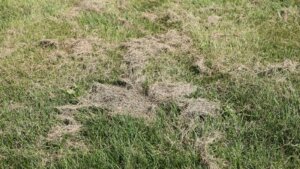
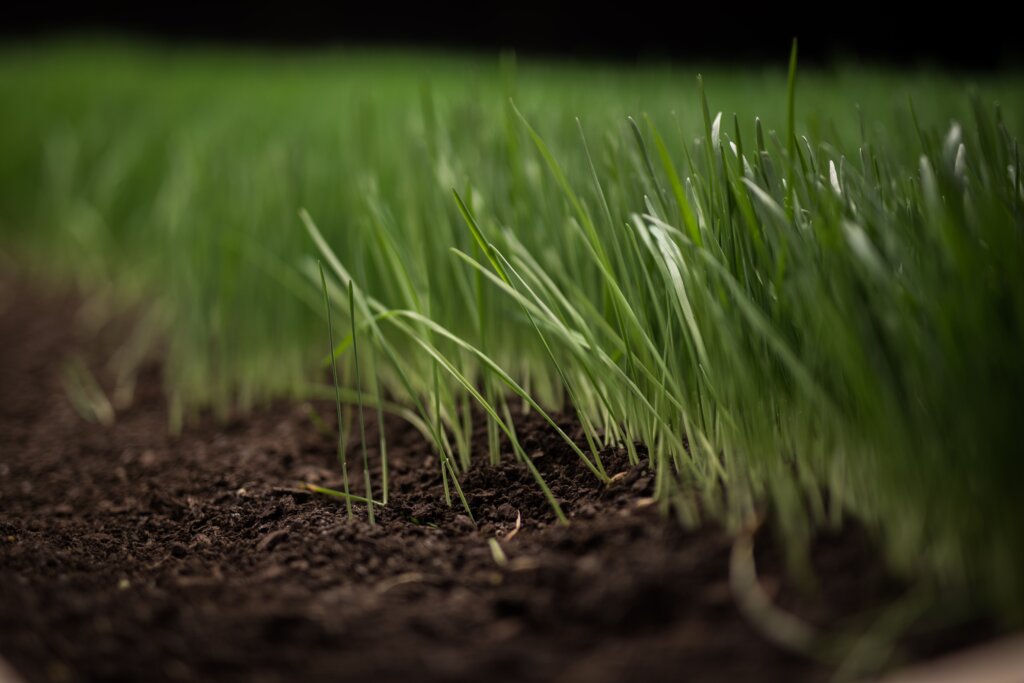
If your lawn is patchy or yellowing, you may need a nitrogen fertilizer or an NPK mix to restore plant growth. For newly seeded areas, phosphorus fertilizers help boost root development.
To compare options, visit our guide: Choosing Lawn Fertilizer: How to Select the Best for Your Lawn
Fertilizer Use and Local Expertise
At Terra Lawn Care, we’ve been serving homeowners in the Tri-State area since 2003, helping lawns thrive through expert lawn fertilization services. Our state-certified technicians and in-house agronomist design fertilizer plans tailored to local soils and weather.
Looking for professional help? Explore our Lawn Fertilization Service.
Bottom Line
Understanding the different types of fertilizers—from organic matter-based blends to synthetic chemical fertilizers—empowers you to create a healthy, resilient lawn. Whether you prefer granular fertilizers for steady feeding or liquid fertilizers for fast results, the right choice depends on your soil’s needs and your lawn goals.
At Terra Lawn Care, we combine science-backed fertilization with local expertise to help Pennsylvania homeowners achieve greener, healthier lawns year-round. If you’re unsure where to start, reach out via our Contact Page for a free consultation.
Frequently Asked Questions About Types of Fertilizers
The main types of fertilizers are organic fertilizers, inorganic fertilizers, and controlled-release fertilizers. Organic fertilizers come from natural sources like compost or manure and help improve soil health and plant roots. Inorganic fertilizers, often called synthetic fertilizers, contain concentrated nutrients such as ammonium nitrate or calcium ammonium nitrate, which promote fast plant growth and stronger color.
NPK fertilizers deliver balanced essential nutrients: nitrogen, phosphorus, and potassium that support overall plant nutrition. DAP (diammonium phosphate), on the other hand, is one of the best phosphorus fertilizers for promoting strong plant roots and early growth. If your lawn or garden needs better rooting and flowering, DAP works best; for overall balance, NPK is the go-to choice.
The best option depends on your soil test results and your lawn’s nutrient needs. For most home landscapes, a slow-release nitrogen fertilizer—such as one containing calcium ammonium nitrate or potassium nitrate—helps maintain steady feeding and prevents excess nutrients that can harm soil health. Homeowners who prefer sustainable methods can choose natural fertilizers for gradual, long-term results.
The 13-13-13 fertilizer provides an equal balance of nitrogen, phosphorus, and potassium, the key plant nutrients that drive healthy growth, flowering, and root strength. It’s perfect for maintaining lawns and garden beds, offering uniform feeding and improved crop yields without overloading the soil with other straight nitrogen fertilizers.