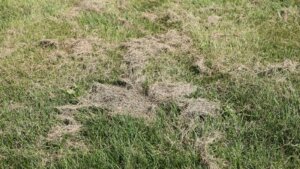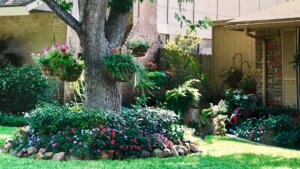
If you’ve stood in your backyard wondering whether this is finally the year you need to aerate, you’re asking the right question. Most Pennsylvania homeowners get conflicting advice about lawn aeration—some say every year without fail, others claim it’s unnecessary unless your lawn looks terrible.
The truth? It depends on what’s happening beneath your grass. Aeration frequency isn’t about following a universal schedule. It’s about understanding your soil type, how deep your grass roots actually go, whether thatch is choking out new growth, and how old your lawn is.
Get it right, and you’ll have thick, resilient turf that handles our freeze-thaw cycles without turning into a muddy mess every spring. Get it wrong, and you’re either wasting time and money or letting your soil turn into concrete. Here’s how to figure out exactly how often your lawn needs aeration.
The Standard Recommendation for Pennsylvania Lawns
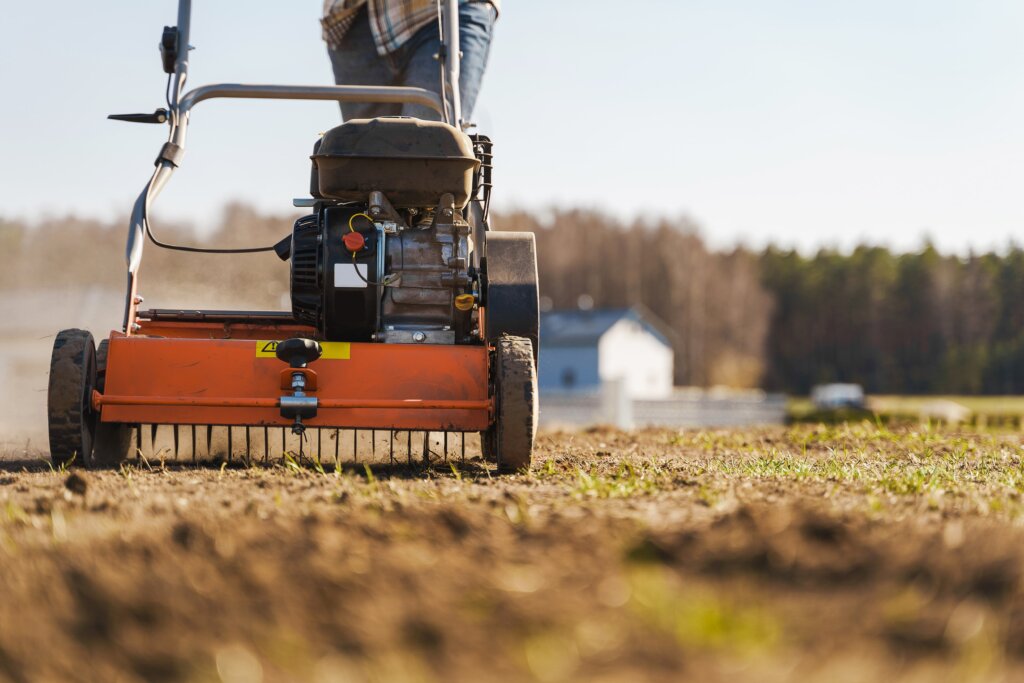
For most Pennsylvania lawns, once a year is the baseline. Our clay-heavy soils compact naturally over time, especially in high-traffic areas or anywhere water tends to sit after a storm. Core aeration breaks up that compaction, giving grass roots room to spread deeper and access the nutrients they need.
Cool-season grasses like tall fescue, Kentucky bluegrass, and perennial ryegrass respond well to aeration, particularly when timed with their active growth periods in spring or fall. Aeration also helps with seed germination, proper watering, and getting oxygen down to the root zone where it matters.
Your lawn might look perfectly fine on top, but the soil underneath could feel rock solid. It’s one of those things you don’t fully appreciate until you’ve tried jamming a shovel into compacted clay—suddenly the idea of punching thousands of holes into your yard doesn’t seem so excessive. If you’re unsure about the right method, this is a good place to review how to aerate your lawn, especially if you want consistent seed germination and better soil contact.
Factors That Change How Often Aeration Is Needed
Annual aeration works for many lawns, but several factors can push you toward more or less frequent schedules.
Soil Type
Not all soil behaves the same way under pressure.
Clay soil / heavy clay soil: Aerate yearly. Clay compacts easily and holds water, which slows root growth and creates drainage problems. According to Penn State Extension, approximately 60% of Pennsylvania’s agricultural and residential soils contain significant clay content, making regular aeration particularly important for lawn health in the region.
Most lawns in Montgomery County, Bucks County, and Chester County deal with some level of clay:
Loam soils: Every 1–2 years is usually enough. Loam drains better and resists compaction more effectively than clay.
Sandy soil: Every 2–3 years. Sandy soils naturally allow water and grass roots to penetrate without much help.
Staying on top of soil changes is key if you want to keep your lawn healthy and thriving, especially in areas dominated by clay.
Thatch Accumulation Rate
Thatch is that spongy layer of dead grass, roots, and organic matter that builds up between the soil surface and live grass. A little thatch is fine. But too many blocks water, oxygen, and nutrients from reaching the soil.
Lawns that produce thatch quickly—usually from over-fertilisation or infrequent mowing—need annual aeration to keep things moving. Slower-thatch lawns can stretch to every 1–2 years.
To check your thatch layer, pull a small section of turf or use a garden spade to cut a wedge. If the thatch layer is thicker than half an inch, aeration should be on your schedule soon.
Root Depth and Turf Density
Shallow roots mean your lawn isn’t accessing the moisture or nutrients it needs to stay healthy during summer heat or winter dormancy. These lawns benefit from more frequent aeration to encourage deeper root growth. According to USDA research, healthy cool-season grass roots typically extend 6-12 inches deep in well-aerated soil, but compaction can limit root depth to just 2-3 inches.
If your grass has deep, healthy roots and dense turf coverage, you might only need to aerate every 2–3 years. Thin lawns with struggling roots? Stick with annual aeration.
Drainage Patterns
Lawns that have water pools after rain, slow absorption, or uneven moisture distribution usually need yearly aeration. Core aeration creates channels that improve water infiltration and reduce compaction, especially in areas with heavy foot traffic or everyday activity. It also helps to understand the different types of lawn aerators, since equipment choice affects how efficiently water can move through the soil.
When Annual Aeration Is Recommended
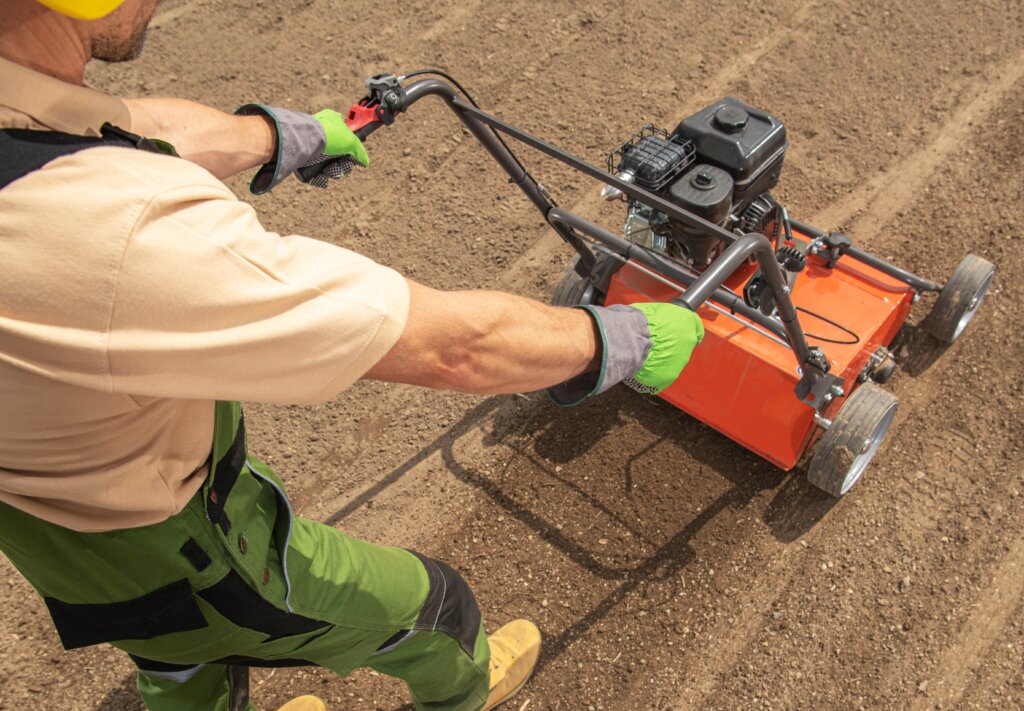
Some situations call for a strict yearly aeration schedule:
- Clay-heavy lawns across Pennsylvania soil types, particularly in Delaware County, Berks County, and Collegeville, PA
- Lawns with slow water absorption or standing water pools
- Lawns with thick thatch buildup that blocks soil contact
- Lawns under renovation or recovery from damage
- New grass or new sod during the first 1–2 years while roots establish
These patterns make it much easier to determine when you should aerate your lawn based on how your turf responds each season. Annual aeration ensures consistent root growth, fights soil compaction, and keeps your lawn actively growing even under stress.
When You Can Aerate Every 2–3 Years
Not every lawn needs yearly attention. You can space out aeration if:
- Your lawn’s soil is loam or has been amended with organic matter, reducing natural compaction
- Drainage is stable, and water doesn’t pool anywhere
- Your turf is established, dense, and showing good growth year-round
- Thatch accumulation is minimal and manageable
Even in these cases, keep an eye on high traffic areas or spots that start looking faded or bare. Those sections might still need targeted aeration more often than the rest of your lawn.
How Lawn Age Influences Frequency
New lawns / new seedlings: More frequent aeration in the first 1–2 years helps young grass roots establish deep, strong systems. This sets up your lawn for long-term health.
Mature lawns: Annual or every 2 years, depending on soil compaction and foot traffic patterns. Most lawns hit a rhythm here.
Older lawns: These often benefit from yearly aeration to fight the accumulated effects of soil compaction and natural degradation over time. Older lawns tend to develop compacted layers that are harder to reverse without consistent intervention.
How Terra Determines the Right Aeration Frequency
We don’t guess at your lawn care schedule. Here’s how Terra‘s agronomy-led approach evaluates what your lawn actually needs:
- Pull small soil cores to check compaction levels and organic matter content
- Measure root depth to identify shallow or stressed grass roots
- Check thatch layer thickness and distribution across your lawn
- Assess soil compaction severity using specialised tools
- Analyse water infiltration and drainage patterns to spot problem areas
This process ensures that every lawn—whether you’re in Chester County dealing with clay or Berks County managing loam soils—gets the exact aeration frequency it needs. No more, no less.
Best Time to Aerate
Timing matters as much as frequency.
Spring aeration: Early spring, before cool-season grasses shift into their peak growth phase. This gives your lawn a head start on root development.
Fall aeration: Early fall is ideal for cool-season turf in Pennsylvania. It promotes root growth before winter dormancy and prepares your lawn for the following spring.
Avoid: Late summer during summer heat, late spring when grass is stressed, or any time the soil is frozen or waterlogged.
For warm-season grasses (less common in Pennsylvania), late spring through early summer is the better window, after the grass is actively growing. Pairing aeration and overseeding during these windows also maximises seed-to-soil contact and overall turf improvement.
So, how often should you aerate your lawn?
The answer depends on your Pennsylvania soil type, root depth, thatch accumulation, drainage issues, and lawn age. There’s no single schedule that works for every lawn.
Aeration isn’t just a quick fix you cross off a list. It’s a long-term soil-building practice that improves grass growth, water absorption, and nutrient uptake year after year. By understanding your lawn’s specific needs—and using an expert-led approach like Terra’s—you’ll end up with a healthy lawn that stays thick, resilient, and good-looking through every season.
The difference between a good lawn and a great lawn is usually what’s happening below the grass, not just on top of it. If you want a professional assessment, you can always contact Terra for a soil and root evaluation.
Frequently Asked Questions About How Often You Should Aerate Your Lawn
Yes. Aerating too often can stress your lawn, weaken lawn roots, and disturb your lawn’s soil more than necessary. Most yards—whether you have cool-season grasses like tall fescue or Kentucky bluegrass, or warm-season grasses—only need lawn aeration once a year.
Aerating more than twice annually is only a great idea if you’re fixing severely compacted soil or heavy clay soil that’s struggling to support healthy growth. With proper aeration, you help your turf breathe without causing unnecessary strain.
You’ll start noticing signs that it’s time to aerate when your lawn doesn’t respond well to normal lawn care. If water runs off instead of soaking into evenly moist soil, the ground feels solid from heavy foot traffic, or your clay soil forms a crust, the turf likely needs help.
A thatch layer thicker than half an inch, weak lawn roots, thinning patches, or a faded lawn that doesn’t improve even after watering or fertilising can all signal that you should aerate your lawn. These issues usually appear because compacted soil blocks air and nutrients from reaching the roots. Using a core aerator creates aeration holes that allow air, water, and grass seed to make better contact with the soil.
The best time to aerate depends on your turf type. For cool-season lawns in Pennsylvania—such as Kentucky bluegrass and tall fescue—early spring and early fall work best because conditions support strong seed germination and recovery. Aerating in early summer or during hot summer weather can stress the grass.
If you grow warm-season grasses, aim for late spring through early summer. Matching your timing with active root growth keeps your lawn on track for a healthy lawn that can continue nourishing itself through the year.
No, leave them. The plugs crumble back into your lawn’s soil, improving structure and helping nutrients move deeper after lawn aeration. Letting them break down also helps grass seed settle into the aeration holes, which boosts seed germination.
You don’t need a lawn service to remove them, and skipping that step saves time. Whether you’re using a core aerator or avoiding spike aerators, allowing the plugs to decompose naturally supports a healthier, more resilient lawn that can fight weeds and grow stronger over time.