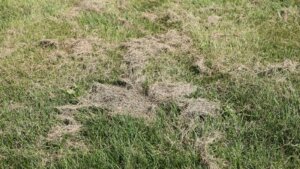
If you live in Pennsylvania, whether Montgomery, Bucks, Berks, Delaware, or Chester County, you’ve probably wondered at some point, “When should you aerate your lawn?” Fair question. Our region has clay soil, unpredictable weather, and cool-season grass types like Kentucky bluegrass and turf-type fescue that really feel the effects of compacted soil.
Walk across any yard in late summer, and you can often feel it under your feet: the ground doesn’t give, water puddles instead of soaking in, and the grass looks tired, no matter how much you water or fertilize. That’s usually a sign that your lawn’s soil is overdue for aeration.
Below is a clear, practical look at how often to aerate, how to spot problems early, and why Pennsylvania lawns benefit so much from regular lawn aeration.
TL;DR: What You Need To Know
- Most PA lawns need aeration once a year, ideally in early fall (Sept–Oct) when cool-season grasses recover fastest.
- Yards with heavy clay soil, high foot traffic, or construction compaction may need it twice a year (fall + spring).
- Low-traffic lawns with softer soil can stretch to every 2–3 years.
- Choose core aeration, which pulls 2–3″ plugs and reduces compaction; spike aeration can worsen clay.
- Signs you need it: water pooling, rock-hard soil, thinning grass, thick thatch (>½ inch), or struggling overseeding.
- After aeration: water the lawn, avoid mowing for 5–7 days, and overseed if you want thicker growth.
How Often Should You Aerate Your Lawn?
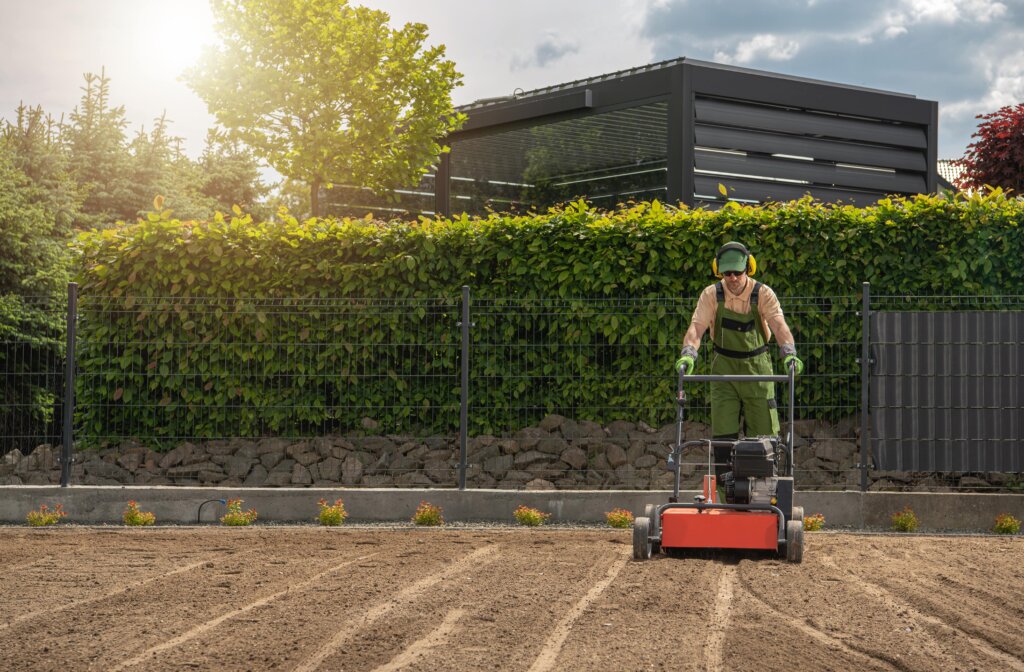
For most lawns in Pennsylvania, once a year — preferably in early fall — is the sweet spot. That’s when cool-season turf is focused on new growth, and the weather finally gives your yard some relief from summer heat. Aeration in the fall season opens the ground so air, water, and nutrients can reach the grass roots, and the turf bounces back quickly.
If you’ve ever tried pushing a shovel into heavy clay soil, you know the feeling: it hardly budges. That stubborn resistance is the same resistance your turf fights all season long. Aeration helps break that barrier so the lawn can breathe again.
When You Should Aerate More Frequently
Some properties simply take more of a beating. You may need lawn aeration twice a year (fall + spring) if you notice:
- High traffic areas in the front yard or backyard
- Heavy foot traffic from kids, pets, tools, or equipment
- New construction soil that was stripped or compacted during building
- Persistent bare spots or thinning turf, even when you fertilize
- Extremely heavy clay soil, especially common around Montgomery and Bucks counties
These lawns compact faster and struggle to recover without extra help. A second aeration can make the difference between “patchy and stressed” and a truly healthy and thriving lawn.
When Aeration Might Not Be Needed
If your yard drains well, your turf feels soft underfoot, and a screwdriver slides into the soil without much effort, you might be fine aerating every 2–3 years. Low-traffic, established lawns with richer topsoil don’t compact the same way.
Why Aeration Matters So Much in Pennsylvania
Pennsylvania lawns face a unique combination of conditions.
1. Clay Soil Compacts Quickly
Our regional clay soil holds water but becomes dense as it dries. Over time, a tight thatch layer and hardpan develop, blocking the movement of air, water, and nutrients. The grass roots end up fighting for oxygen.
2. Freeze–Thaw Cycles Make Compaction Worse
Every winter, the soil expands and contracts. When spring arrives, the ground settles tightly than before.
3. Cool-Season Turf Responds Best to Fall Aeration
Kentucky bluegrass, fescue, and ryegrass recover beautifully in fall’s cooler temperatures.
4. Local Expertise Matters
Terra Lawn Care, a company that understands PA’s soil profile, especially one with agronomy-trained staff, can tailor the process to your yard instead of guessing. Not every property needs the same approach.
Best Time to Aerate in Pennsylvania
Fall (Ideal)
Early fall through mid-September is the best time. Soil is still warm, nights are cooler, and the turf is ready to repair itself. Many homeowners pair aeration with grass seed for thicker turf and better coverage of bare spots.
Spring (Only If Necessary)
Spring aeration helps when compacted soil or winter damage is severe, but it can also create openings for weeds. Use this timing only if fall aeration wasn’t enough.
Summer (Avoid)
High heat, drought stress, and active growth demands make aeration risky in summer.
Winter (Avoid)
Frozen ground can’t be aerated, and dormant turf won’t benefit.
How to Tell If Your Lawn Needs Aeration
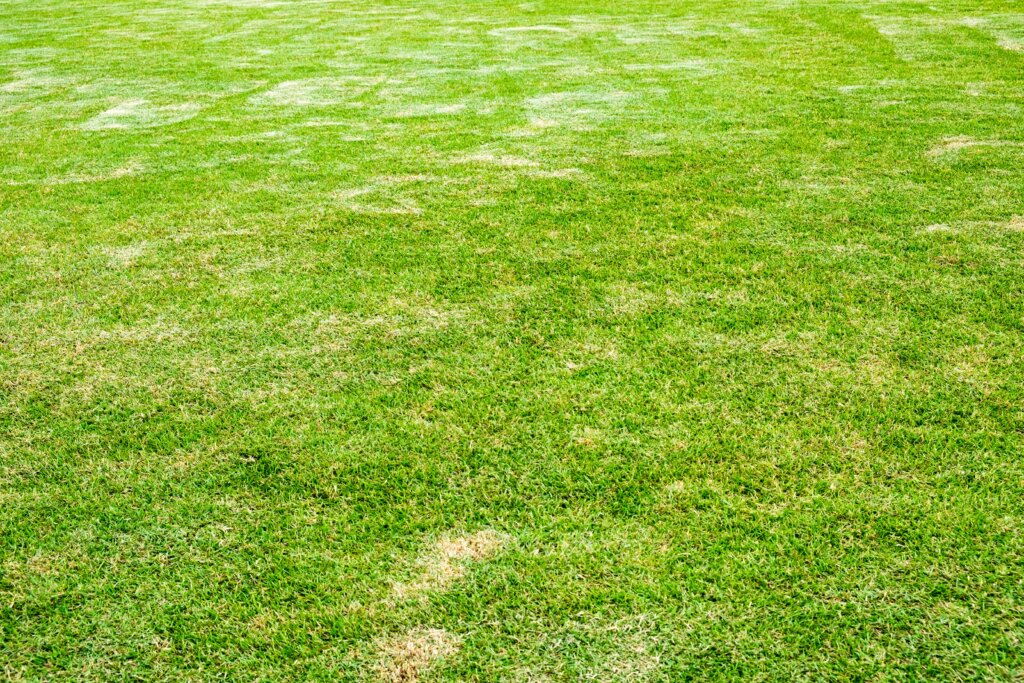
Look for signs like:
- Water pooling after rain
- Soil that feels hard or rock-like
- A struggling or thin turf canopy
- A thick thatch layer over ½ inch
- Bare spots that don’t improve
- Difficulty pushing a screwdriver into the ground
- Failed overseeding attempts
Turf researchers at Penn State found that even ¼–½ inch of compacted soil can limit nutrient flow, drainage, and root growth. That’s how sensitive turf can be, and how much aeration helps.
Core Aeration vs Spike Aeration
Not all aeration methods work the same.
Core Aeration (The Recommended Method)
This is the process where small plugs of soil are physically removed from the ground. It relieves pressure instead of pushing the soil sideways. For Pennsylvania’s heavy clay soil, this method is far more effective.
Spike Aeration (Not Ideal for Clay)
Spike tools create holes but increase compaction around them. They can be okay for sandy or loamy soils, but not for ours.
DIY Aeration or Hire a Pro?
You can rent an aerator, but it’s not as simple as it looks. The machines are heavy, they can be tough to maneuver in tight spaces, and DIY results often end up shallow or uneven. Homeowners also risk damaging irrigation lines if they’re not marked properly.
Professional lawn care services use commercial equipment that removes deeper cores, covers the lawn evenly, and pairs aeration with overseeding and proper timing. Many homeowners choose pros because the results are more consistent and the equipment doesn’t end up stuck in the yard.
Our Specialists also focus on correct depth, turf recovery, and agronomy-backed seeding, which can make a visible difference in a single season. When your professional lawn service combines aeration with thoughtful follow-up care, the results are hard to beat.
What to Do After Aeration
Once your lawn has been aerated:
Water
Light, consistent watering helps soften plugs, support moisture movement, and promote new growth.
Wait Before You Mow
Give the turf 5–7 days before your next mow, especially if you overseeded.
Fertilizer Optional, but Helpful
A balanced, slow-release fertilizer supports recovery and encourages deeper root growth.
Overseed for Best Results
Aeration creates natural pockets for grass seed to settle, improving germination and filling in thin areas. If you want thicker, greener turf, this is the moment to take advantage of. For homeowners pairing aeration with overseeding, understanding how to get the right results is crucial.
A Stronger, Healthier Lawn Starts With the Soil
A thriving yard begins below the surface. When your lawn’s soil is open and breathable, everything improves: color, density, drainage, and the overall health of the turf.
Because Pennsylvania has challenging soil and weather patterns, proper lawn aeration isn’t just a nice extra. It’s one of the most important steps you can take to maintain a healthy lawn year after year.
If you want your yard to recover faster, develop stronger grass roots, and look greener this season, reaching out to a professional can make all the difference.
Frequently Asked Questions About When You Should Aerate Your Lawn
When done properly, core aeration is very safe and effective. Problems only arise if the process is done incorrectly:
Wrong timing: Aerating during extreme heat in early summer or when the ground is frozen can stress your lawn and slow grass growth.
Spike aeration: Using spikes instead of removing plugs can worsen soil compaction rather than relieve it.
Other than these situations, aeration does not have meaningful drawbacks. It helps to decompose thatch, improves air circulation, and prepares the soil for better seeding.
Yes. Aeration improves air circulation in compacted soil and helps decompose thatch, both of which reduce moisture pockets where fungus thrives.
It won’t directly cure disease, but it creates healthier conditions for grass to recover, especially in a warm-season lawn coming out of early spring or a cool-season lawn preparing for late August growth. By keeping the soil open and breathing, you lower the risk of fungus spreading in actively growing turf.
Watering lightly 24 hours before aeration softens the soil so core aerators can pull deeper, small holes, even in dense warm-season grasses. You can use the screwdriver test; if it doesn’t slide in easily, the soil needs moisture.
After aeration, watering helps move oxygen, nutrients, and fertilizer into the newly opened channels, giving new grass and established turf a stronger root system. This step is useful whether you maintain your yard yourself or hire a lawn service as part of your regular landscaping routine.