Quick Reference Guide
- Long-Term Strategy: Aeration is more than a seasonal task; it builds soil health, root depth, and turf resilience over multiple years.
- Core Aeration Specs: Removes plugs ½–¾ in diameter, 2–4 in deep, reduces compaction, improves air/water/nutrient flow, and breaks down thatch >½ in.
- Yard Usage Matters:
- High-traffic/family/pet areas → annual aeration + overseeding
- Low-traffic/decorative → every 18–24 months
- Lawn Age Guides Frequency:
- New lawns → aerate in 1–2 yrs (soil test recommended)
- Established (3+ yrs) → annual fall aeration
- Older/neglected → may need consecutive years
- Multi-Year Plan:
- Y1: Relieve compaction, improve oxygen/water flow
- Y2: Aerate + overseed to thicken turf
- Y3: Annual fall aeration for consistent density
- Y4+: Adjust by soil, traffic, and lawn health
- Best Time to Aerate: Late summer–early fall, soil moderately moist, grass actively growing; water 1–2 days prior if dry (Penn State).
- Extra Aeration Cases: Heavy traffic, new patios/pools, puddling, or dog paths require targeted treatments.
Need a specific schedule for your yard? Balancing soil conditions, lawn age, and family foot traffic can be tricky. Instead of guessing, use the tool below to generate a custom maintenance roadmap based on your lawn’s specific wear and tear.
Aeration as a Long-Term Lawn Investment
Most homeowners treat lawn aeration like a box to check off once a year. In reality, aeration works best when you think of it as a long-term investment, not a single seasonal task. Learn how to aerate your lawn effectively for lasting results.
As your lawn ages, soil compaction changes, and so does how your family uses the yard. A new lawn, a dog-heavy backyard, and a well-established turf all need different aeration timing to stay thick, resilient, and healthy in Pennsylvania’s cool-season conditions.
Why Multi-Year Aeration Planning Matters
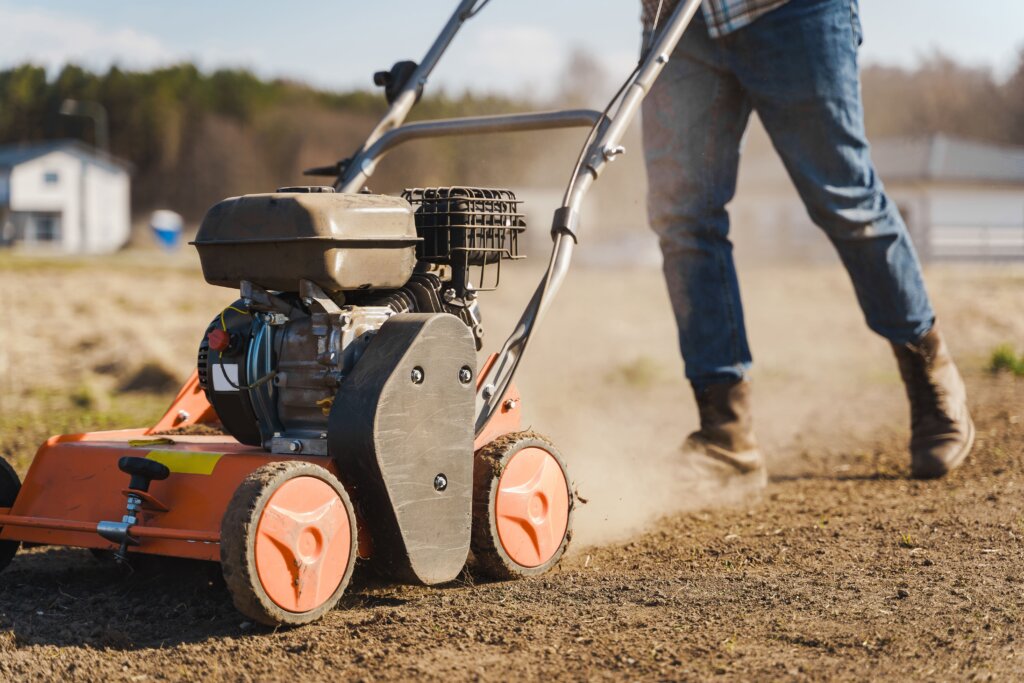
Core aeration pulls out cylindrical plugs of soil—about ½ to ¾ inch across and 2 to 4 inches deep. Those little holes create channels that loosen compacted soil and let air, water, and nutrients move down to the root zone.
University of Nebraska-Lincoln research shows healthy soils need about 50% pore space for optimal root growth. Over time, repeated aeration helps you:
- Break up compacted soil layers
- Get water and nutrients down where roots can use them
- Encourage roots to grow deeper
- Break down thatch layers (especially when they exceed ½ inch)
- Develop thicker, more resilient turf
The clay soil common across Pennsylvania compacts fast. Wet springs make it worse, dry summers harden it, and winter freeze-thaw cycles compact it even more. Heavy foot traffic seals the deal—literally.
Thinking in years, not seasons, helps your lawn do more than bounce back. It allows the turf to build strength and resilience over time—discover our lawn aeration services.
How Yard Usage Affects When to Aerate Lawn
Daily activity patterns on your property directly determine timing and frequency for lawn aeration.
Heavy Foot Traffic Changes Everything
High-Traffic Family Yards
Backyards with swing sets, soccer games, or kids running around take a beating in specific spots. The soil packs down hard, roots stay shallow, and grass thins out fast in those zones.
These yards usually need annual aeration—especially in clay-heavy or high-traffic areas. We often pair it with overseeding and focus extra attention on bare spots and worn paths.
Pet-Heavy Yards
Dogs are creatures of habit. They run the same routes every time they go outside, and those paths turn into hard-packed dirt where grass roots can barely penetrate.
You don’t need to aerate the whole yard when this happens. Strategic aeration in those specific lanes restores oxygen and moisture flow without overdoing it in areas that don’t need help.
Low-Traffic or Decorative Lawns
Front yards used mainly for curb appeal develop compaction slowly. If foot traffic is light, aerating every 18–24 months keeps things healthy without unnecessary work.
Aeration Timing Based on Lawn Age
New Construction
Fresh lawns installed after construction often look great on top, but underneath? That subsoil is usually rock-hard from heavy equipment driving all over it during the build.
Most new construction lawns benefit from aeration within the first year or two. A soil test helps confirm timing, but watching how water infiltrates (or doesn’t) tells you a lot.
Established Lawns (3+ Years)
Once your turf has been growing for three or more years with solid root development, annual fall aeration keeps everything balanced. The grass is mature enough to handle environmental stress but still benefits from consistent soil conditioning.
Older or Neglected Properties
Lawns that haven’t been aerated in years usually show excessive thatch buildup and shallow roots. These often need treatment two years in a row to fully rebuild soil structure and get roots growing deep again.
A Multi-Season Aeration Plan for Pennsylvania Lawns
Year 1: Recovery
The goal here is to relieve deep compaction throughout the root zone. You’ll see visible soil plugs on the surface—leave them. They’ll break down naturally and return organic matter to the soil. Water infiltration and oxygen flow improve even if you don’t see dramatic top growth yet.
Year 2: Density Building
Pair core aeration with overseeding to thicken turf coverage, and make sure you get the right results. Stronger roots fill in bare spots more effectively as the root system expands.
Year 3: Strength & Longevity
Stick with annual fall aeration to support deeper roots and maintain even density across the property. You’re not fixing problems anymore, you’re maintaining momentum.
Year Four and Beyond: Adjust as Needed
Adjust frequency based on soil pressure, family use patterns, and lawn performance. Some properties maintain annual schedules while others scale back slightly depending on conditions.
Best Time to Aerate for Multi-Year Results
Penn State Extension recommends aerating during cool weather—late summer to early fall works best. Soil should be moderately moist, and aerator tines should penetrate 2 to 4 inches deep. If it’s been dry, water deeply a day or two beforehand.
A long-term plan uses fall aeration as a foundation, not a one-off task. When timed year after year with the turf’s natural growth cycle, aeration consistently improves root depth, soil, and overall lawn resilience.
When Extra Aeration Is Worth It
A few situations justify aerating outside your regular schedule:
- Large family gatherings or events that bring heavy foot traffic to the lawn
- Recently installed patios, pools, or drainage work that involved heavy equipment
- Persistent puddling or areas where water just won’t soak in
- New dog paths that develop mid-season
In these cases, targeted core aeration prevents long-term turf decline—learn how to keep your lawn healthy and thriving.
Why Terra Takes a Long-Term View
Terra Lawn Care has been helping Pennsylvania homeowners build healthier lawns since 2003 by focusing on relationships, not quick fixes. With an in-house agronomist and employee-only crews, every plan is shaped by soil conditions, turf type, and how the yard is actually used, not just what the calendar says.
Every lawn has its own story. Plan beyond a single season, schedule an assessment, and get a custom multi-year lawn plan with Terra, no contracts or guesswork.
Frequently Asked Questions About When to Aerate Lawn
Try the screwdriver test: push a screwdriver into moist soil. If it’s hard to penetrate, your soil is compacted. Other signs include thinning grass, water pooling on the surface, slow growth, or thatch layers thicker than ½ inch.
For Pennsylvania cool-season lawns, late August through September works best. The grass is actively growing, soil temperature is ideal, and roots have time to establish before winter.
Yes, fall is the ideal time to aerate your lawn for most cool-season grasses. It helps the root system expand, allows fertilizer and seed to penetrate the soil, and gives your lawn a head start on new growth in spring. Many homeowners also combine aerating with overseeding to improve turf density and long-term lawn health.
After lawn aeration, small holes and soil plugs appear, which may look messy temporarily. Standard core aerators impact only 1–2% of the lawn per pass, so multiple passes (3-5) are recommended to effectively alleviate compaction. The plugs naturally decompose thatch and return organic matter to the soil, supporting plants and grass growth.