Did you know that lawn fertilizers must now contain at least 20 % slow-release nitrogen in some states, like Maryland, thanks to university research linking rapid nutrient runoff to water-body damage?
If you’re ready to give your turf the steady feed it deserves, read on for how slow-release fertilizer can transform your lawn from patchy to plush.
TL;DR: What You Need To Know
- A slow-release fertilizer feeds lawns gradually over 6–8+ weeks for steady growth and strong roots.
- Comes in granular or liquid forms for consistent nutrition.
- Benefits: even growth, fewer applications, less lawn burn, and eco-friendly results.
- Compared to quick-release, it lasts longer and supports soil health instead of short bursts.
- Tips: test your soil first; choose organic for sustainability or synthetic for precision.
- Apply in spring or fall (April–October in PA) before rainfall.
What Is Slow-Release Fertilizer?
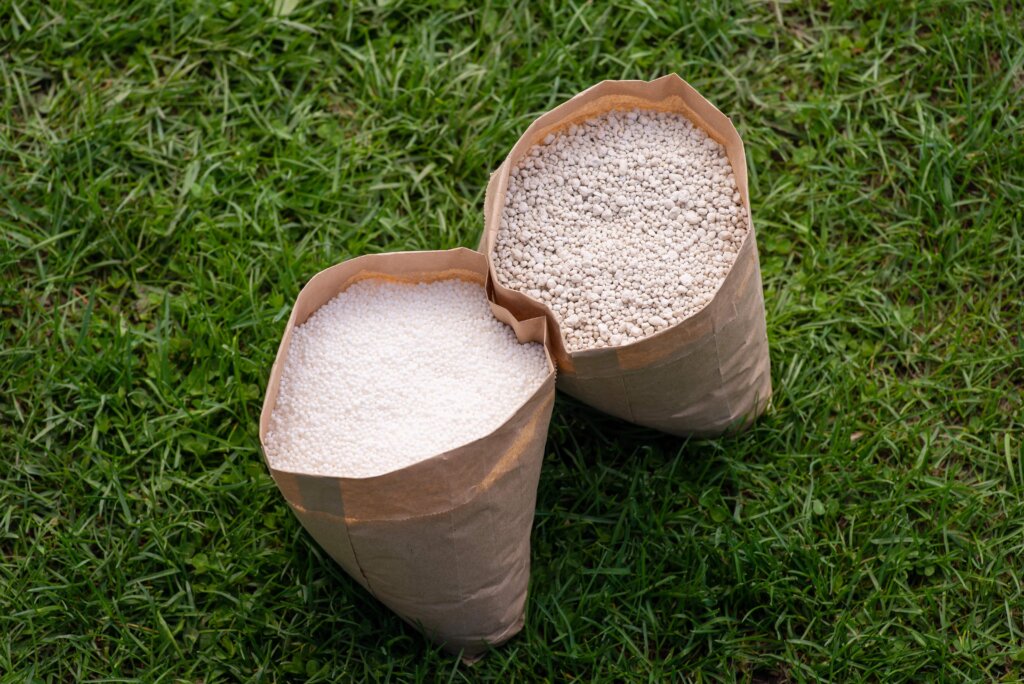
A slow-release fertilizer delivers nutrients to plants and lawns gradually over time instead of flooding the soil immediately. These time-release fertilizers come in granular or liquid form, both designed to provide consistent nutrition across your growing season.
Unlike quick-release fertilizers that give a short burst of nitrogen, slow-release formulas let nutrients like nitrogen, phosphorus, potassium, and calcium seep into the soil slowly—nourishing roots, strengthening grass, and improving soil health naturally.
Example: A typical slow release fertilizer can feed your lawn for 6–8 weeks or longer, reducing the need for constant reapplication.
Ready to boost your lawn’s health sustainably? Visit our Lawn Fertilization Services.
Why Use Slow-Release Fertilizers for Your Lawn?
Choosing slow-release fertilizers means giving your lawn a balanced diet instead of a sugar rush. Here’s why they’re preferred by professional lawn care teams in Pennsylvania:
1. Consistent Growth
Slow-release fertilizers encourage steady, even plant growth without rapid surges that stress grass or increase mowing frequency.
2. Lower Risk of Lawn Burn
Because nutrients are released gradually, your lawn is less likely to suffer from salt buildup or over-fertilization.
3. Long-Lasting Results
These fertilizers can feed for a longer period—typically up to 8 weeks—saving both time and cost across the growing season.
4. Environmentally Responsible
Slow-release fertilizers reduce runoff and leaching, helping protect local water sources in Pennsylvania’s neighborhoods. Many blends also contain organic matter that boosts soil microorganisms and root development naturally.
Looking for a more detailed nutrient comparison? See our guide: Types of Fertilizers: The Complete Guide to Lawn and Garden Nutrition.
Slow Release vs. Quick Release Fertilizer
| Feature | Slow-Release Fertilizer | Quick-Release Fertilizer |
|---|---|---|
| Nutrient Release | Gradual, steady feeding | Immediate, short-lived burst |
| Duration | 6–8 weeks or longer | 2–4 weeks |
| Safety | Low risk of lawn burn | Higher risk if overapplied |
| Application Frequency | 2–3 times per season | Requires frequent reapplication |
| Ideal For | Established lawns, shrubs, and trees | New lawns or quick green-up |
Both fertilizer types have value. Quick-release fertilizers (often made with ammonium nitrate or other synthetic chemicals) give a fast boost but fade quickly. Slow-release fertilizers, on the other hand, build long-term soil health and promote sustainable growth.
Learn more about fast-acting options in Fast-Release Fertilizer.
Choosing the Right Slow-Release Fertilizer for Your Yard
The right choice depends on your soil’s nutrient profile, the plants in your landscape, and your lawn’s current condition.
Conduct a Soil Test
Before adding nutrients, have your soil analyzed. This identifies deficiencies in nitrogen, potassium, phosphorus, magnesium, or iron—allowing you to select the perfect fertilizer blend.
Organic vs. Synthetic Slow-Release Fertilizers
- Organic fertilizers (like compost or manure-based blends) release nutrients naturally as microbes break them down.
- Synthetic fertilizers use coated pellets to time nutrient release precisely.
For lawns, both types work well, but organic fertilizers also improve soil texture and microbial life, making them a sustainable option for vegetable gardens, trees, shrubs, and perennials.
If you’re unsure which formula best fits your soil and turf type, check out Choosing Lawn Fertilizer: How to Select the Best for Your Lawn for expert guidance on matching fertilizer types to your lawn’s unique needs.
When to Apply Slow-Release Fertilizer in Pennsylvania
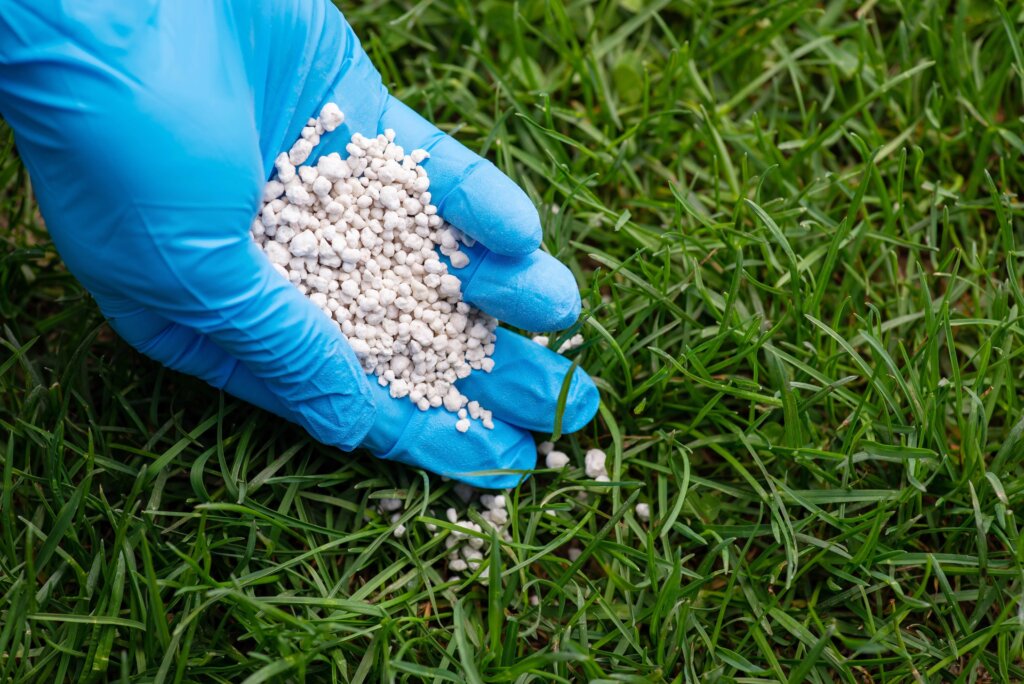
Timing matters. Apply slow-release fertilizer at the start of the growing season—typically spring or early fall—to strengthen roots and prepare for changing weather.
In Pennsylvania, where cool-season grasses dominate, April to October is ideal for steady feeding. Applying before rainfall helps nutrients soak in and reach roots effectively.
For deeper insight into application methods, see Granular Fertilizer: The Key to a Lush, Green Lawn.
Partner with Pennsylvania’s Local Lawn Care Experts
Since 2003, Terra Lawn Care has helped homeowners across the Tri-State area (PA, NJ, DE) achieve lawns that stand out. Overseen by an in-house agronomist with 15+ years of golf course expertise, Terra uses the science behind slow-release fertilizers to deliver long-lasting, eco-friendly results.
- State-certified technicians ensure each treatment fits your soil’s needs.
- Locally tailored programs protect lawns against weeds, heat stress, and poor soil conditions.
- A high retention rate (95%) shows customer satisfaction year after year.
We proudly serve homeowners across the Pennsylvania Service Area who want greener, healthier, and longer-lasting lawns.
The Smart Choice for Sustainable Lawn Care
When it comes to long-lasting lawn health, slow-release fertilizers are unmatched. They feed your soil gradually, strengthen roots, and reduce environmental impact—making them a smart, eco-friendly investment for Pennsylvania homeowners.
With Terra Lawn Care, you don’t just grow grass, you grow confidence in your lawn’s long-term health. Reach out to us via our Contact Page.
Frequently Asked Questions About Slow Release Fertilizers
Slow-release fertilizers usually come in granular form or as coated pellets that gradually feed your plants and flowers over several weeks. These include organic blends like compost or manure, and polymer-coated types found in many professional-grade fertilizer bags. The slow feeding process means your garden stays consistently green without the need for frequent applications, which is both cost-effective and better for the environment.
You should apply slow-release fertilizer in spring and fall for cool-season grasses, or during the active growth period of shrubs, annuals, fruits, and other plants. Applying before expected rain helps nutrients soak into the soil more effectively. This type of fertilizer generally lasts longer than fast-release fertilizer, giving your lawn or garden steady access to other nutrients like potassium for root strength and disease resistance.
There isn’t a single “best” option—it depends on your soil’s nutrient profile. Many gardeners prefer a balanced N-P-K mix (such as 14-14-14) enriched with other nutrients like iron and magnesium. Organic slow-release fertilizers improve soil texture, while synthetic ones provide precise control.
Whether in liquid fertilizer or granular form, the benefits include sustained feeding, fewer weeds, and a healthier green lawn. Always check the label and bags for nutrient ratios that suit your soil and plants.
Not necessarily. Most 10-10-10 fertilizers are fast-release fertilizer types that give an instant boost but fade quickly. However, some versions include coated pellets for slow-release performance.
Reading the label carefully helps identify the difference between quick-acting and time-release formulas. For gardeners wanting consistent feeding and fewer applications, slow-release options are typically the better choice—they save cost over time and reduce runoff into the environment.