Dreaming of a lawn that turns heads in your neighborhood? Discover how granular fertilizer delivers steady nutrients that keep your grass lush, green, and thriving all season long.
Key Takeaways
- Granular fertilizer releases nitrogen, phosphorus, and potassium slowly, giving lawns steady growth and a deep green color.
- It’s safer and longer-lasting than liquid fertilizer, with lower burn risk and better coverage.
- Organic fertilizers improve soil health and nutrient availability, while synthetic options act faster and are easier to store.
- Apply in early spring or fall, then water well so granules dissolve into the ground.
- Skipping watering can waste up to 60% of nutrients.
- For expert results, Terra Lawn Care customizes fertilizer mixes for Pennsylvania lawns.
What Is a Granular Fertilizer?

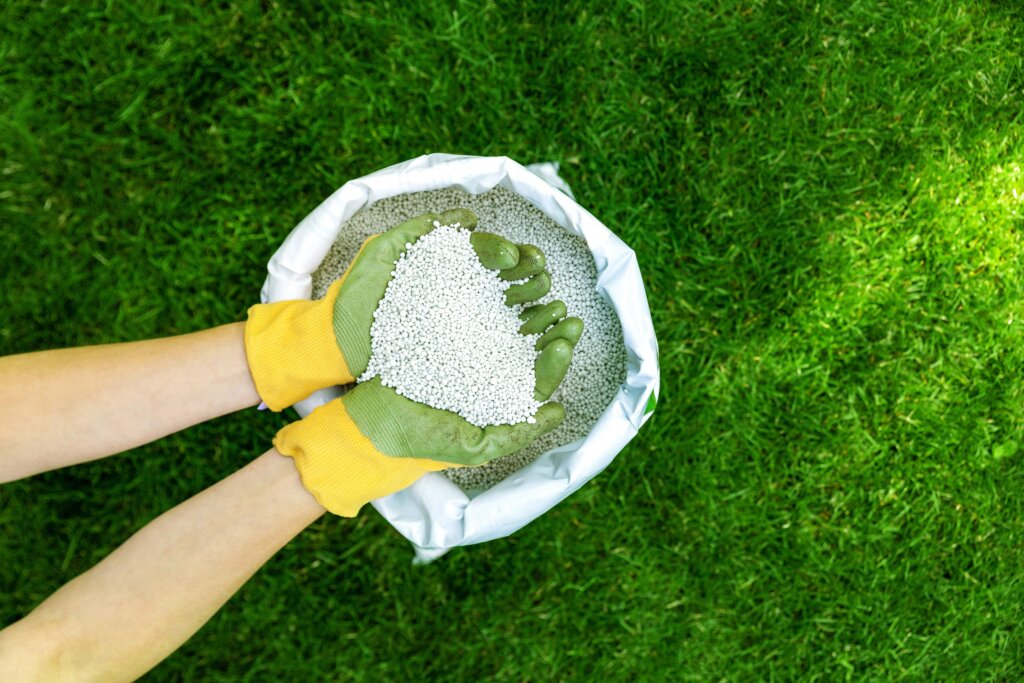
Granular fertilizer is a solid, slow-release lawn food that delivers essential nutrients like nitrogen, phosphorus, and potassium directly into your soil. Each granule contains concentrated plant nutrients that gradually release over time, giving your lawn a consistent, long-lasting boost during the growing season.
Unlike fertilizers in liquid form, which are quickly absorbed, granular fertilizers feed your grass slowly, making them perfect for maintaining a steady green color and thicker turf throughout Pennsylvania’s spring, summer, and fall.
If you’re still comparing options, check out our full guide: Choosing Lawn Fertilizer: How to Select the Best for Your Lawn.
Organic Fertilizers: Natural Nutrition for Your Lawn
Organic granular fertilizers—such as compost-based or manure blends—provide nutrients from natural sources. These fertilizers improve soil structure, enhance microbial activity, and increase organic matter for long-term soil health.
Unlike synthetic versions, organic granular fertilizers slowly release nutrients as they decompose, helping your plant roots absorb what they need without the risk of overfeeding or chemical runoff.
Organic options are also environmentally friendly and suitable for gardens, vegetables, and turfgrass, including popular Pennsylvania varieties like St. Augustine grass.
Want to learn how different fertilizer types support healthy soil? Explore Types of Fertilizers: The Complete Guide to Lawn and Garden Nutrition.
The Benefits of Granular Fertilizer
Using granular fertilizer offers several clear advantages for both homeowners and professional landscapers:
- Even Application: The visible granules make it easy to see where you’ve applied fertilizer, reducing missed spots.
- Slow-Release Feeding: The slow release of nutrients ensures your grass remains green and healthy for weeks.
- Lower Burn Risk: Granules dissolve gradually and are water-activated, reducing salt buildup and plant stress.
- Cost Efficiency: Sold in bulk bags, granular fertilizer is often cheaper and longer-lasting than frequent liquid feedings.
- Durability: Rain or watering won’t easily wash away nutrients, improving fertilizer efficiency and reducing runoff.
For Pennsylvania lawns that face hot summers and dry spells, granular fertilizer helps turf resist heat and drought stress by improving root strength.
Disadvantages of Granular Fertilizer
While granular fertilizers are effective, they’re not perfect. A few downsides include:
- They require a spreader for even application.
- Nutrients are less immediately available to plants than liquid fertilizer.
- Granules rely on soil moisture and microbial activity to break down.
- New seedlings may find the high salt content challenging if overapplied.
That said, following soil tests and correct spreader settings can minimize these issues. For expert timing and blend selection, explore Terra’s Lawn Fertilization Service.
Granular Fertilizer vs. Liquid Fertilizer: Which Is Better?
Both granular and liquid fertilizers feed your lawn—but they work differently.
| Feature | Granular Fertilizer | Liquid Fertilizer |
|---|---|---|
| Nutrient Release | Slow and steady | Fast and immediate |
| Application | Spreader | Hose-end sprayer |
| Duration | Long-lasting | Short-term boost |
| Burn Risk | Low (if watered) | Higher if overapplied |
| Best For | Established lawns | Starter fertilizers or foliar applications |
For quick green-up, liquid fertilizer can be useful, especially during the early spring growing season. However, for consistent growth, granular fertilizer provides a more balanced nutrient content and longer results. To dive deeper, read: Is Liquid Fertilizer Better Than Granular?.
5 Steps: How to Apply Granular Fertilizer
- Test Your Soil: Run basic soil tests to identify nutrient deficiencies.
- Choose the Right Mix: Select a fertilizer with the ideal nitrogen and potassium ratio for your turf type.
- Apply with a Spreader: Use a broadcast or drop spreader to ensure even coverage.
- Water Thoroughly: After applying, water the granules to start nutrient release.
- Follow Seasonal Timing: Apply in spring for growth, summer for color, and fall for root strength.
If you prefer a liquid option for quick absorption, check out Slow-Release Liquid Fertilizer.
Can I Just Sprinkle Fertilizer on Top of Soil?
You can, but it’s not ideal. Granular fertilizers must contact soil and moisture to dissolve properly and fertilize the ground effectively.
The University of Maryland Extension reports that surface-applied fertilizer without watering can lose up to 60% of its efficiency, especially when feeding vegetables or seed crops. Always water after applying so nutrients and micronutrients reach plant roots, improving consistency and reducing cost from wasted fertilizer.
Local Expertise: Why Pennsylvania Lawns Trust Terra
Since 2003, Terra Lawn Care has helped homeowners across PA, NJ, and DE achieve lush, vibrant lawns. Backed by over 50 years of combined agronomy experience, our state-certified technicians know how to balance fertilizer nutrients for Pennsylvania’s unique soil conditions and seasonal shifts.
We don’t subcontract—we handle every lawn in-house, guaranteeing consistent results and a 95% customer retention rate (well above the industry average).
If you’re looking for professional fertilization near you, check our Service Area to see if we serve your neighborhood.
Unlock Your Lawn’s Full Potential with Terra
Healthy lawns start with the right nutrients, and granular fertilizer is one of the best ways to achieve balanced, long-lasting growth. Whether you’re maintaining residential turf or preparing a new sod installation, Terra Lawn Care’s team can help you select the right mix for your soil and climate.
Ready to get started? Contact us for personalized recommendations from our local lawn experts.
Frequently Asked Questions About Granular Fertilizer
In Pennsylvania, apply granular fertilizer in early spring or late fall when soil temperatures are mild and plant roots can readily absorb nutrients. These seasons allow lawns to take in nitrogen, phosphorus, and potassium efficiently, boosting root strength and nutrient availability.
For a mid-season boost, choose a slow-release formula that gradually releases nutrients like more nitrogen and other nutrients over time. This steady feeding prevents excess salt content and supports healthy turf, sod, or seed.
Most types of granular fertilizer contain the three primary fertilizer nutrients—nitrogen, phosphorus, and potassium—which are vital for healthy plants. These elements encourage leaf growth, strong root systems, and overall resilience. Many formulas also include trace minerals such as iron, which enhances color and helps keep lawns lush and green.
Organic fertilizers provide more nutrients and natural matter that improve soil structure and nutrient availability over time. They enrich the ground, retain moisture better, and release nutrients slowly for steady plant growth.
Synthetic granular fertilizers, however, are often water-soluble, giving plants quicker access to essential nutrients and faster visible results. They’re also easier to store and apply, which is why many farmers choose them for larger areas.
It’s generally best to apply granular fertilizer every 6–8 weeks during the active growing season. This schedule ensures consistent nutrient availability and even ground cover for your lawn or garden. Regular feeding helps plants grow evenly without becoming susceptible to nutrient deficiencies.