A lush, green lawn takes more than watering and mowing—it starts with the right nitrogen balance. Understanding nitrogen’s role is key to achieving that picture-perfect lawn.
TL;DR: What You Need To Know
- Nitrogen is one of the three macronutrients essential for plant growth, fueling chlorophyll and amino acid production for lush, green lawns.
- Organic nitrogen fertilizers like compost release nutrients slowly, while synthetic types such as ammonium nitrate and urea deliver quick results.
- Nitrogen imbalance shows as yellowing and weak grass when low, or leaf burn and nitrous oxide emissions when overapplied.
- Apply 0.5–1 lb. nitrogen per 1,000 sq. ft. during spring or fall to match plant needs and avoid nutrient loss.
- Common fertilizers like calcium nitrate, diammonium phosphate, and urea support soil pH balance and root strength.
- Proper nitrogen use enhances crop production, reduces carbon dioxide output, and keeps soils healthy through the growing season.
What Is Nitrogen and Why Does It Matter for Plant Growth?

Nitrogen is a core macronutrient—alongside phosphorus and potassium—that fuels crop production and lawn vitality. It’s vital for forming amino acids and chlorophyll, driving consistent plant growth and deep green color during the growing season. Learn more about how nitrogen works together with these other essential nutrients in our Potassium Guide.
While organic nitrogen from compost and manure releases nutrients slowly, nitrate fertilizer and other nitrogen-rich fertilizers provide faster results. Still, applying too much can increase nitrous oxide emissions and carbon dioxide output, which impact soil health and the environment.
Types of Nitrogen Fertilizers: Organic vs. Synthetic
Not all fertilizers are created equal. The choice between organic nitrogen fertilizer and synthetic nitrogen fertilizer depends on your lawn goals, soil conditions, and local climate.
| Type | Description | Best For |
|---|---|---|
| Organic Nitrogen Fertilizer | Derived from natural sources like compost, manure, or bone meal. Slowly releases nitrogen through soil microorganisms. | Long-term soil health, eco-friendly PA lawns. |
| Synthetic Nitrogen Fertilizer | Chemically produced using the Haber-Bosch process, where natural gas converts atmospheric nitrogen into ammonia or urea. | Quick greening, immediate results, nutrient-deficient lawns. |
Both types can be effective. Terra Lawn Care recommends combining slow-release organic options with controlled synthetic formulas for balanced results across Pennsylvania’s growing season.
How Nitrogen Fertilizer Affects Lawn Appearance
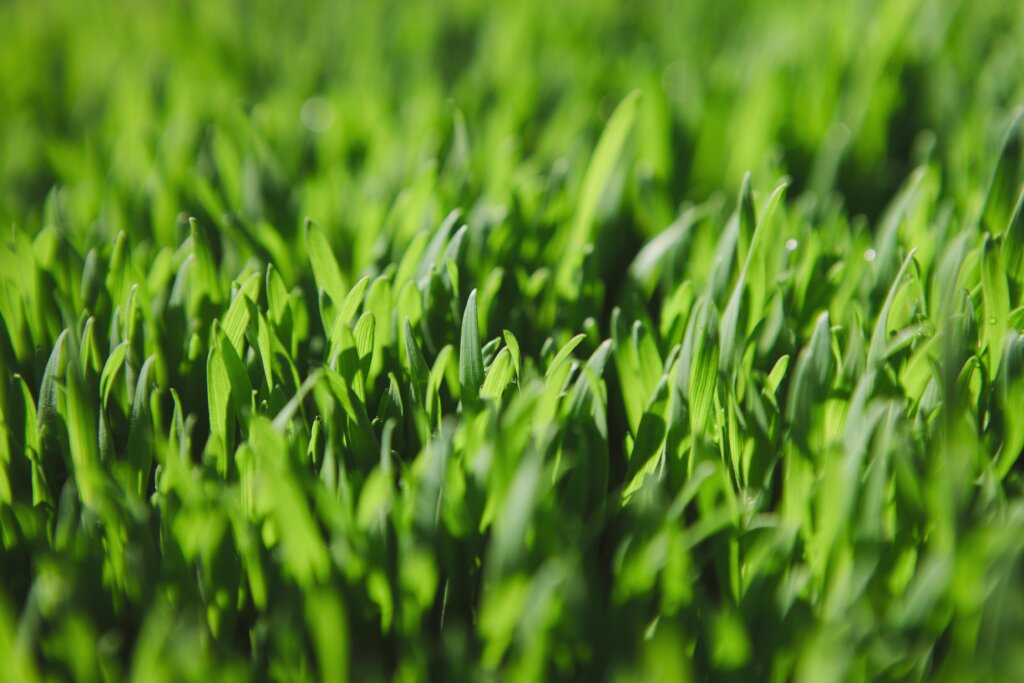
Healthy nitrogen levels are the key thing behind lush, green lawns—strengthening leaf blades, improving soil structure, and boosting plant nutrition. However, excess fertilizer N can lead to rapid growth, shallow roots, and higher nitrous oxide emissions, a greenhouse gas linked to climate change and poor nitrogen use efficiency in agricultural soils.
Signs of Nitrogen Imbalance:
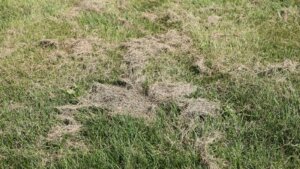
- Deficiency: Pale or yellow grass, reduced density, and stunted plant growth due to a lack of essential building blocks like amino acids.
- Excess: Burned leaf tips, thatch buildup, and fungal disease, often caused by overapplication of urea, ammonia, or nitrate-form fertilizers in high rainfall areas.
To maintain proper pH levels and balanced other nutrients such as potassium, Terra Lawn Care tests soils regularly to ensure ideal total nitrogen and moisture balance. For a complete nutrient blend that supports most crops and turf, explore our 10-10-10 Fertilizer Guide.
Managing Nitrogen Levels in Pennsylvania Lawns
The optimal nitrogen rate depends on grass species, soil type, and local weather patterns. Lawns in southeastern PA often face high rainfall and moisture, increasing nitrogen loss through leaching.
Best Practices for Nitrogen Use:
- Timing: Apply during active growth, typically spring and early fall.
- Dosage: 0.5 to 1 lb. of nitrogen per 1,000 sq. ft., depending on soil profile and grass needs.
- Avoid: Summer applications during heat stress to prevent acidic soil and turf burn.
For more insight into how nitrogen works with phosphorus and potassium, explore our Nitrogen, Phosphorus, Potassium Lawn Fertilizer Guide.
The Science Behind Nitrogen Uptake
When nitrogen fertilizer enters the soil, it appears in several usable forms: ammonium (NH₄⁺), nitrate (NO₃⁻), and urea. Plants absorb these through their roots, transforming them into amino acids and proteins that power plant growth, boost grain yield, and strengthen overall resilience during the growing season.
According to the USDA Natural Resources Conservation Service, these nitrate fertilizers and ammonium nitrate compounds are essential for efficient nitrogen uptake and healthy crop production. Improper soil management can lead to nitrogen loss and harmful nitrous oxide emissions, while efficient application helps urea dissolve properly and prevents excess carbon dioxide release.
Working with professionals ensures balanced organic nitrogen and nitrogen-rich fertilizers that support long-term soil health and productivity.
Common Nitrogen Fertilizer Compounds
| Fertilizer Type | Nitrogen Form | Key Benefit |
|---|---|---|
| Ammonium Nitrate | NH₄NO₃ | Fast-acting, ideal for cool-season grasses. |
| Calcium Nitrate | Ca(NO₃)₂ | Improves soil pH and calcium levels in acidic soil. |
| Diammonium Phosphate | (NH₄)₂HPO₄ | Adds both nitrogen and phosphorus, promoting root growth. |
| Urea | CO(NH₂)₂ | Highly soluble and concentrated, quick-release for immediate greening. |
For balanced results, Terra Lawn Care’s fertilization service uses custom blends suited for Pennsylvania’s agricultural practices and soil microorganisms.
How to Apply Nitrogen Fertilizer Safely
- Conduct a soil test before each application.
- Use water-soluble fertilizers for quicker results in compacted soils.
- Avoid high application rates near storm drains to prevent oxygen depletion in waterways.
- Follow up with compost or organic sources to support soil biology.
Learn more about nutrient balance by visiting our Phosphorus Guide.
Local Expertise You Can Trust
Since 2003, Terra Lawn Care has provided Pennsylvania homeowners with greener, healthier lawns backed by science. We proudly serve the Tri-State area, including communities listed in our Service Area.
Overseen by a certified agronomist and a team of licensed technicians, Terra offers lawn fertilization, tree and shrub care, pest control, and hardscaping—all delivered by local experts, not subcontractors.
Ready to Grow a Greener, Healthier Lawn?
The right balance of nitrogen fertilizer, calcium nitrate, and proper soil pH can transform your lawn from ordinary to exceptional. By understanding how fertilizers, nutrients, and other factors like irrigation water and climate affect plant needs, you ensure steady growth and long-term soil health.
For expert help achieving that perfect balance, trust Terra Lawn Care. Contact us today to schedule your soil evaluation and start growing a greener, stronger lawn.
Frequently Asked Questions About Nitrogen Fertilizer
A good nitrogen fertilizer depends on your lawn or crop goals. For quick greening, urea and ammonium nitrate are excellent sources of nitrogen—both release nutrients in the nitrate form, the main form most plants can absorb easily.
For improving soils long-term, organic nitrogen-rich fertilizers like compost or manure work best, as they reduce leaching, support soil microbes, and sustain steady growth. Using too much synthetic nitrogen, however, can be a major cause of nutrient runoff, so farmers and homeowners should apply these products carefully for balanced soil health.
Common fertilizers used in agriculture include urea, ammonium nitrate, calcium nitrate, and diammonium phosphate. Each provides nitrogen in a different nitrate form, helping farmers support various soil conditions and crop needs. Some also include phosphorus, potassium, and sulfur—important minerals that help balance plant nutrition.
The fastest way to increase nitrogen levels is by applying liquid or water-soluble fertilizers such as ammonia or urea. These fertilizers release nutrients immediately into the soil, helping plants absorb significant amounts of nitrogen quickly. However, applying too much can lead to leaching or excess nitrogen, which may harm nearby waterways and crops.
Yes. Miracle-Gro is a balanced NPK fertilizer that includes nitrogen, phosphorus, and potassium—three essential nutrients for strong plant growth.
The nitrogen helps boost leaf color and density, while the other nutrients support roots and flowers. Because it contains smaller quantities of each nutrient, it’s suitable for general home gardening and light crop feeding.
Testing soil samples helps determine how much total nitrogen and other nutrients are available, allowing for smarter fertilizer use. This improves nitrogen use efficiency, preventing excess nitrogen loss and reducing methane or nitrate pollution. Regular testing ensures that primary industries and homeowners alike apply only what plants need, avoiding waste and maintaining strong soil structure.