The ideal pH for grass is 6.0 to 7.0. Most lawns grow best within this slightly acidic to neutral range because it allows grass roots to absorb nutrients properly and develop deep, resilient systems. If your lawn has not responded to feeding or struggles every spring, pH is likely the answer, especially when deciding when to plant grass seed in spring for a greener lawn in Collegeville.
Read on to understand the science, and use our diagnostic tool below to see if your lawn is showing symptoms of a pH imbalance. If you are preparing to fix bare areas, knowing how often to water grass seed in Collegeville ensures proper germination.
Why Lawn Soil pH Matters
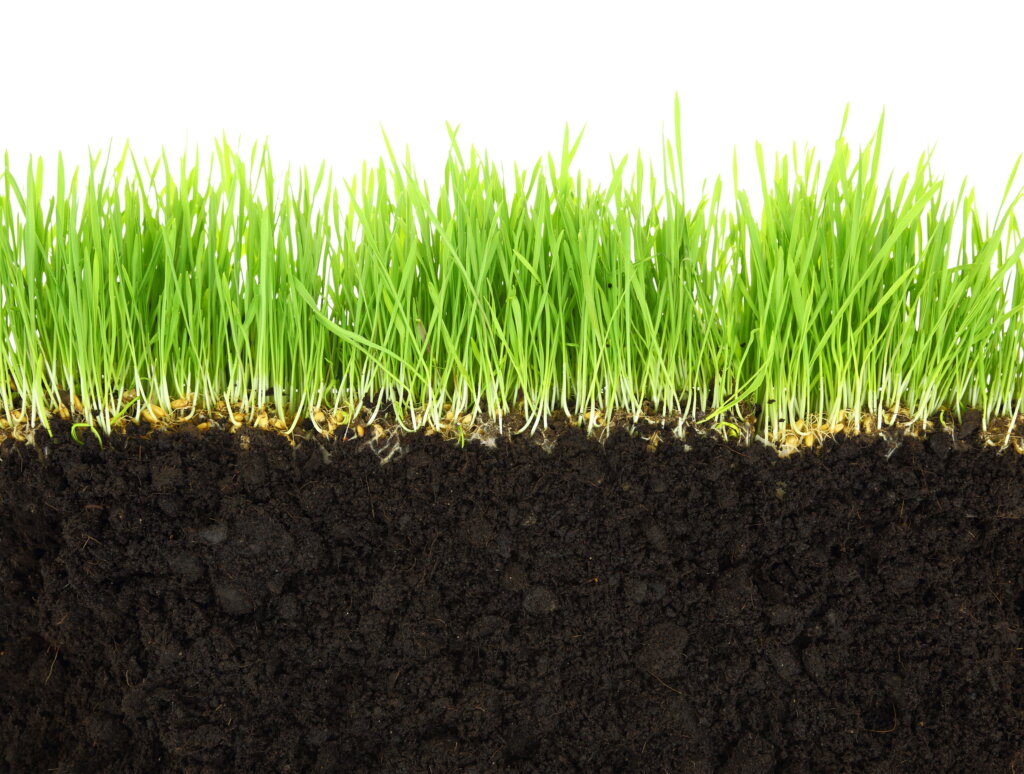
Soil pH controls how nutrients behave in your lawn. Even if you apply fertilizer on schedule, your grass cannot absorb nitrogen, phosphorus, or potassium properly when the lawn pH level falls outside the ideal range on the pH scale. Applying a phosphorus fertilizer in Collegeville works best when pH is balanced first.
The results are familiar: pale color, thinning turf, bare patches, and weeds that seem to thrive no matter what you do. Without proper pH balance for grass, even the best lawn fertilization efforts become less effective. When repairing bare spots, homeowners often ask, “How long does it take for grass seed to grow in Collegeville?”
Ideal pH Range for Grass
Most turf grasses prefer a slightly acidic to neutral pH range of 6.0 to 7.0. Within this window, nutrient availability stays balanced, and beneficial soil microorganisms remain active. Achieving this balance is a necessary first step if you are figuring out how to spread grass seed in Collegeville and expect strong germination.
This matters especially for cool-season grasses common in Pennsylvania, such as tall fescue and Kentucky bluegrass. According to Penn State Extension, regional soils naturally acidify over time due to rainfall and nutrient leaching, which can push pH below healthy levels for turfgrass.
Lawn pH Level Chart
Symptoms of pH imbalance often mimic other lawn problems. Use this chart to understand what your soil condition might be telling you. If the root cause is severe compaction instead, knowing how to plant grass seed on hard dirt in Collegeville helps you repair bare areas.
| pH Range | Soil Condition | Common Lawn Symptoms |
|---|---|---|
| Below 6.0 | Acidic | Moss growth, more weeds, fertilizer waste |
| 6.0 to 7.0 | Ideal Lawn pH | Healthy color, steady growth, strong roots |
| Above 7.0 | Alkaline | Yellowing blades, thinning turf |
What Happens When pH Is Too Low or Too High
Extreme pH can cause nutrient lockout and slow the breakdown of organic matter, limiting the nutrients your lawn needs to thrive. When repairing the resulting bare spots, knowing when to stop watering new grass seed in Collegeville prevents shallow root development.
In acidic soil, essential nutrients like phosphorus become less available while elements such as aluminum can reach toxic levels that stunt root growth. If soil pH drops below 5.5, grass struggles to absorb fertilizer nutrients efficiently, making homeowners wonder how long does it take for grass seed to germinate and grow in Collegeville when their lawn fails to recover.
In alkaline soil, nutrients like iron become insoluble. Grass turns yellow because it cannot absorb iron, even though iron is present. As noted by Purdue University Extension, keeping pH in the 6.0 to 7.0 range ensures nutrients remain soluble and accessible.
You don’t need a chemistry degree to suspect a problem. Use the interactive tool below to cross-reference your lawn’s symptoms with common pH issues. Before reseeding any damaged areas, read How Long Does Grass Seed Last? The Guide for Lawn Enthusiasts in Collegeville.
What Soil pH Means
Soil pH measures acidity and alkalinity on a scale from 0 to 14, with 7 being neutral. Numbers below 7 are acidic, and numbers above 7 are alkaline. If poor conditions require you to reseed, knowing how long to water new grass seed in Collegeville ensures proper germination.
Grass roots rely on soil chemistry to access nutrients dissolved in moisture around them. When pH is balanced, nutrients flow freely. When pH is off, nutrients become blocked, and lawn health suffers. Discolored turf, whether brown, whitish, or yellow, often indicates a soil pH imbalance. Proper moisture is also essential when establishing turf, so consult our guide on How Long Should You Water New Grass Seed? A Seed-to-Sprout Watering Guide in Collegeville.
Grass Types and pH Tolerance
Most lawns, including Bermuda grass and Zoysia, thrive in a 6.0 to 7.0 pH range. However, some grasses have different needs. Centipede grass prefers acidic soil and grows best at a pH of 5.0 to 6.0. Before planting a new variety to repair bare spots, read Does Grass Seed Go Bad? The Truth About Lawn Care and Seed Viability in Collegeville.
St. Augustine prefers 6.0 to 6.5 and tolerates slightly alkaline soil better than other varieties. Because grass types vary in their pH tolerance, adding lime to the wrong lawn can harm your yard. If correcting the soil leaves you with thin areas, knowing how to plant grass seed on an existing lawn in Collegeville helps repair the damage.
How to Know Your Lawn's pH
The only reliable way to determine your lawn soil pH is through testing. You can ship soil samples to a lab or use a home testing kit. Lab testing provides precise results and recommendations on how to improve your lawn. If those recommendations include overseeding, protect your work by reading Do Birds Eat Grass Seed? A Guide to Guarding Your Green Space in Collegeville.
At-home test kits vary widely, so follow the instructions carefully. DIY probes often miss buffer pH, a measurement that indicates how much lime or sulfur your soil actually needs to change its chemistry. Accurate readings ensure your soil is ready before you figure out how to use grass seed in Collegeville to restore thin areas.
A professional soil test gives a complete picture of your soil structure and factors affecting lawn health. The best times to test are late winter, early spring, or fall. Test every one to three years, or more frequently after amendments.
Fixing Lawn pH
Correcting pH depends on whether your lawn is too acidic or alkaline. Lime raises pH in acidic soils. Sulfur lowers pH in alkaline soils. Amendments should always be based on test results. If you are reseeding these treated areas, verify your materials using our guide, Does Grass Seed Expire? Unveiling the Secrets to Lawn Care and Seed Viability in Collegeville.
Applying adjustments without testing carries risk. Over-liming can push soil into a highly alkaline state that is difficult to correct. Changes take several months to a few years to fully take effect. You may need to retest after making modifications to ensure pH has reached the desired range. When you are ready to reseed the area, knowing how to keep birds from eating grass seed in Collegeville protects your newly planted turf.
How pH Testing Supports Long-Term Lawn Health
When your grass soil pH level stays within the ideal range, every other part of your lawn care routine works better. Lawn fertilization becomes more efficient, overseeding establishes faster, and roots grow deeper.
For lawns that have not responded to regular care, pH imbalance is often the missing piece. Understanding your soil is essential when learning how to grow grass from seed in Collegeville. A proper soil test guides every next step, ensuring you get the results you want without wasting time or materials.
Frequently Asked Questions
Most grass grows best in slightly acidic soil, between 6.0 and 7.0 on the pH scale. This range keeps nutrients like calcium and magnesium available, supports healthy microbes, and promotes deeper roots.
Soil below 5.5 or above 7.5 can stress grass. Low pH increases hydrogen, blocking nutrient uptake and damaging roots. High pH locks nutrients, leading to weak, thinning turf.
Acidic lawns often show yellowing, stunted growth, and more weeds. Fertilizer may seem ineffective even when applied correctly. Soil testing is the only reliable way to check.
Grass generally prefers low-acidic conditions. If the soil becomes too acidic or alkaline, nutrients become blocked. Applying lime or sulfur adjusts pH when needed. Always base amendments on soil test results before you fertilize, seed, or amend your yard.