It’s early November in Montgomery County, and homeowners are walking past tree wrap stacked by the garden center register. Wrapping trees for winter only helps young, thin-barked trees during their first one to three winters, and the wrap goes on in late November and comes off by mid-April.
For most yards, deep watering and mulch rings round out winter protection, and evergreens need a wind screen. Our fall checklist for trees and shrubs covers the rest of the season.
Should You Wrap Your Trees for Winter? Which Young Trees Need It
Wrap only young, thin-barked trees, such as newly planted maples, lindens, and crabapples. Their thin bark is susceptible to sunscald when winter sun warms it and freezing nights follow. Mature trees with thicker bark need no wrap, since that bark already protects the living tissue beneath it.
- Newly planted or transplanted trees
- Thin-barked species such as maple, linden, crabapple, redbud, cherry, and plum
- Trunks facing open south or southwest sun
- Trees that recently lost lower branches or shade on that side
- Skip mature trees with thicker bark that have survived several winters
Colorado State Extension recommends wrapping for the first one to three years after planting, while other guides allow up to five for the thinnest bark. Most young trees in Southeast PA need two or three winters at most.
Stop once the bark turns furrowed, and the tree has survived its first winters. Terra also handles transplanting trees and shrubs when a tree needs to be moved.
Why Winter Sun Leaves Damaged Bark on Tree Trunks: Sunscald and Frost Cracks
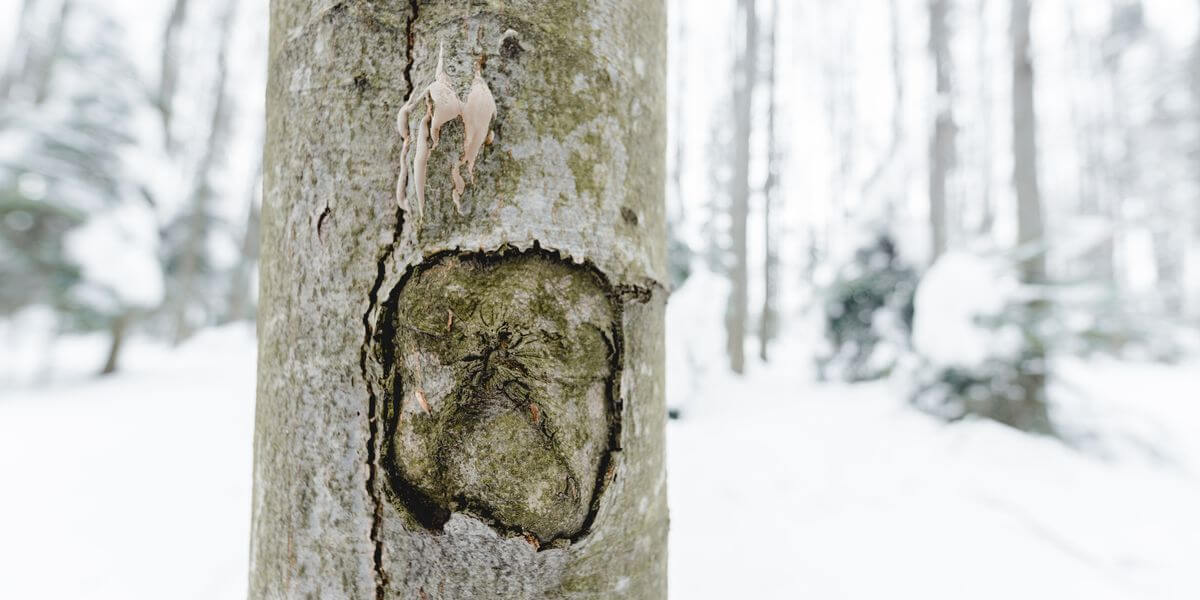
People wrap trees in winter to prevent sunscald and frost cracks. The south and southwest sides of a trunk collect the sun’s heat because of the low sun angle. That side can run as much as 77°F warmer than the north side. When the sun sets and temperatures drop, the warmed tissue freezes and dies.
- Sunscald leaves a jagged wound along the trunk, a sign that the cells beneath have died.
- Frost cracks are vertical splits that form when the outer bark cools quickly at sunset while the inside stays warmer.
- Damaged bark gives disease and insects an entry point into the tree.
- Light-colored wraps reflect the winter sun and its heat, which prevents sunscald and frost cracks. Wraps keep the trunk cooler because they reflect sunlight, which corrects the belief that wraps keep a tree warm.
How to Wrap Tree Trunks for Winter: Materials and Steps
Colorado State names light-colored crepe-paper wrap as the best material, since it stretches a little and sheds water. A few guides allow loose white plastic guards or burlap, but Colorado State warns that both can damage a trunk. Avoid dark material, which absorbs heat, and save burlap for shrubs on stakes.
- Wrap on a dry day once the leaves have dropped.
- Start at the base of the trunk, at the soil line.
- Wind upward in a spiral, overlapping each turn by about one third.
- Stop at the first branch, where the lower branches start.
- Tape the wrap to itself at the top and keep staples out of the bark.
Winding paper around a trunk with cold fingers is fiddly, but it goes quickly once that first turn is taped.
When Should You Wrap Your Trees for the Winter? Timing in Southeast PA
Wrap trees at the end of November and remove the wrap in early spring, by mid-April, after the last frost.
Collegeville sits in USDA zone 7a on the 2023 map, with an average extreme minimum of 0°F to 5°F. That’s a milder winter environment than in Minnesota or North Dakota, but sunny days followed by freezing nights still cause sunscald on young maples. Check the wrap once or twice in mid-winter for loosening or insects.
Do Tree Wraps Work? When Wrapping Helps and When It Harms
Tree wraps work for young trees when you remove them every spring. Penn State Extension calls wrapping newly planted trees a questionable practice because such wrap is suspected of sheltering insect pests that bore into the trunk.
- Overlap each turn over the one below it so moisture escapes from the lower edge.
- Wrap left on all year causes damage.
- Nursery wrap can hide pruning wounds and insect injury, so inspect the trunk and remove the wrap at planting.
- Cord or ties cut into a growing trunk.
Winter Burn on Evergreens: How to Protect Arborvitae and Shrubs in Winter
Winter burn is the drying out of evergreen leaves, known as desiccation. Frozen ground stops roots from delivering water while sun and wind keep pulling moisture out of the leaves. Penn State lists boxwood, azalea, rhododendron, and holly among the susceptible broadleaf evergreens.
Arborvitae and juniper are at risk, and they have small, scale-like leaves.
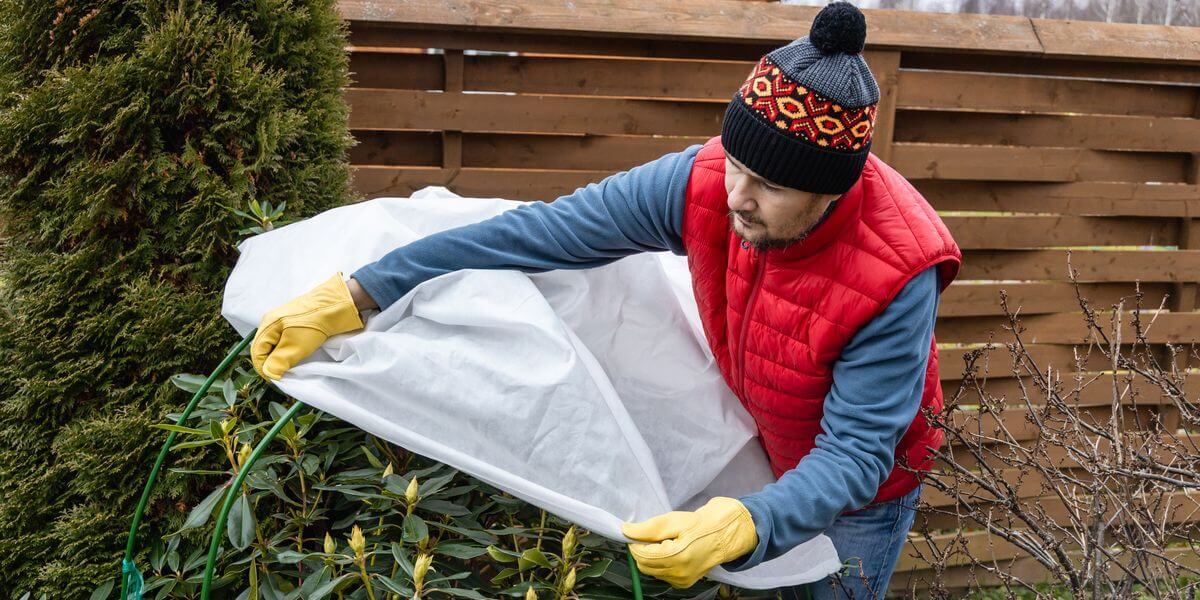
- Water deeply during dry fall spells, and mulch the root zone.
- Set burlap screens on stakes about 2 feet from the drip line, the ground under the outer branch tips. Cover the exposed south and west sides and leave the top open. Remove the screen once spring temperatures stay above 28°F.
Roots supply the water that evergreens lose in winter, so feeding the roots of trees and shrubs belongs in the year-round plan.
Road salt adds a second threat. Salt spray from treated roads pulls water out of needles and reaches as far as 1,000 feet at the high end. Rutgers calls burlap a last resort for extreme sites and the best barrier against de-icing salt spray. Screen new transplants first, since they brown easily.
Anti-Desiccant Spray: What It Does for Evergreens and What It Doesn’t
Anti-desiccant spray puts a thin film on evergreen leaves to slow water loss, though the evidence is mixed. Rutgers reports that mixing 1 gallon of spray concentrate into 10 to 20 gallons of water cuts winter moisture loss by 15 to 20 percent. That lessens winter burn only partly, and some Extension guides rate the sprays as not effective for protecting evergreen foliage.
- Skip it on scale-leaved plants such as arborvitae, juniper, Cryptomeria, Chamaecyparis, and Leyland cypress, because some products can injure them.
- Use it on broadleaf evergreens such as boxwood and holly, and follow the label for any second coat.
- Apply it when the air is above freezing, but the soil is still frozen.
- For arborvitae, rely on watering, mulch, and burlap.
Mulch Rings and Animal Guards for Winter Protection of Young Trees
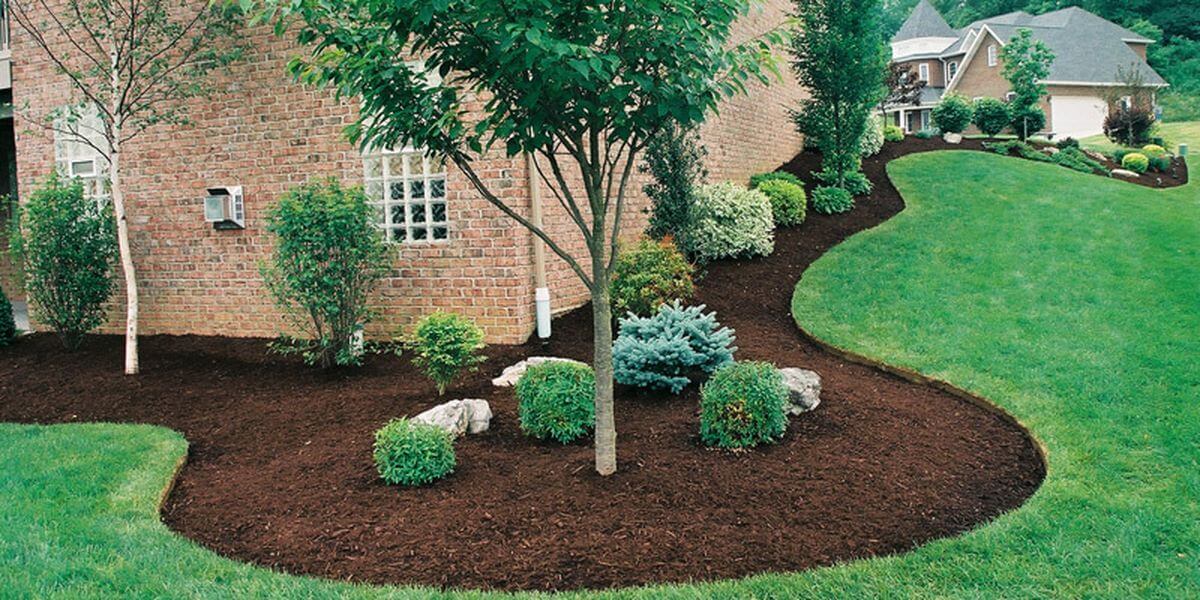
To winterize trees beyond the wrap, spread a 2- to 3-inch layer of organic mulch out toward the drip line. Keep it 3 to 5 inches from young trunks and 8 to 10 inches from mature ones.
Avoid piling mulch against tree trunks, because this mulch volcano keeps the bark wet and invites decay and rodent damage. See Terra’s mulching services for help with the job.
Ease off watering slightly in September, then water thoroughly in October until the ground freezes.
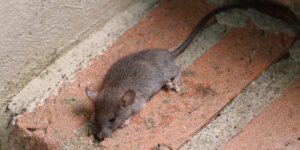
A cylinder of ¼-inch hardware cloth sunk 2 to 3 inches below the soil line keeps voles and mice off the trunk. Made tall enough to clear the snow line, it deters rabbits too. Browsing deer need fencing or repellents used per the label.
Clearing brush removes the cover animals rely on. Terra’s protecting and feeding trees and shrubs service covers pest defense and feeding earlier in the season.
Tree and Shrub Care Beyond the Wrap
Terra’s tree and shrub care services cover the rest of the year for homeowners across Montgomery, Chester, Bucks, Delaware, and Berks counties. One customer shared a shrub-trimming visit.

“Last week, Caesar and his crew of 6 hardworking men arrived and took care in making our property look great. They not only showed up on time, but they were equipped with all the necessary landscaping tools to perform the task ! They edged all of our established flower beds, removing the weeds, sticks & leaves and trimmed all of our bushes! They were friendly and went out of their way to ask questions if they needed to.
The office staff was also very friendly, knowledgeable and informative. Kristin took the time to answer our questions, return our calls and email us in a timely fashion, explaning what to expect to be completed, products to be used and pricing.
Thank you!! It was a pleasure to do business with your company!!”
The 6-step tree and shrub care program runs through the seasons. Call Terra Lawn Care Specialists at 610-275-2170 to talk through your trees and shrubs.